




What's Happening?
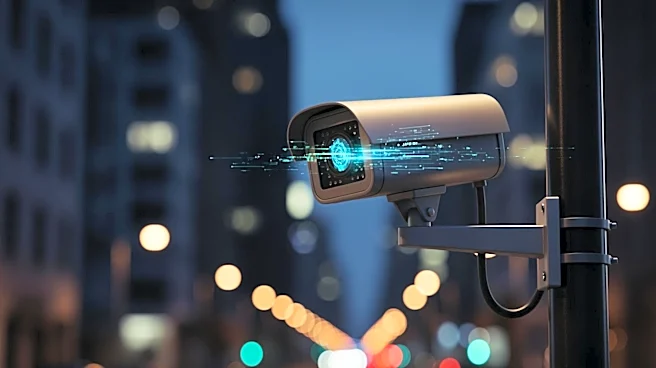
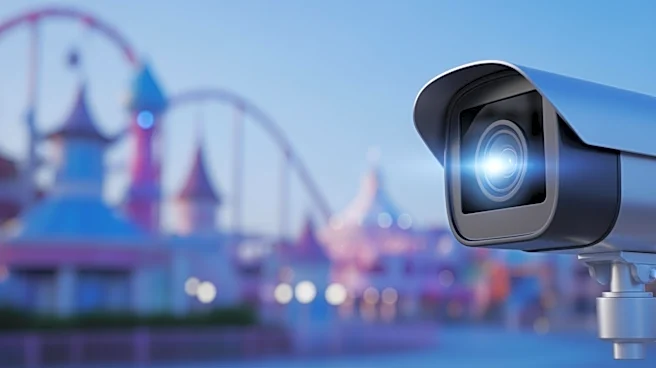
Disneyland has expanded its use of facial recognition technology to streamline park entry and prevent fraud. This technology converts images of guests' faces into unique numerical values, which are then compared with photos taken when tickets or passes
are first used. While Disney officials argue that this enhances the guest experience, privacy experts express concerns about the potential misuse of biometric data. The technology's widespread adoption in venues like sports stadiums raises questions about data security and privacy.
Why It's Important?
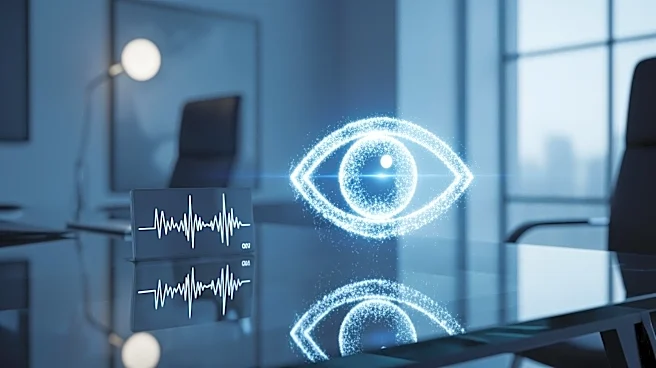
The growing reliance on facial recognition technology at popular venues like Disneyland highlights a broader trend towards increased surveillance. This raises significant privacy concerns, as biometric data could be shared with law enforcement or become a target for hackers. The normalization of such surveillance technologies could lead to a society where individuals are constantly monitored, impacting personal freedoms and privacy rights. The debate over facial recognition technology underscores the need for clear regulations and consumer awareness about data collection practices.
What's Next?
As facial recognition technology becomes more prevalent, there may be increased calls for regulatory oversight to protect consumer privacy. Advocacy groups and privacy experts might push for legislation that limits the use of biometric data and ensures transparency in how it is collected and used. Consumers may also become more selective about the venues they visit, opting for those that offer alternatives to facial recognition. The ongoing dialogue about privacy and technology will likely influence future policies and consumer behavior.