
What's Happening?
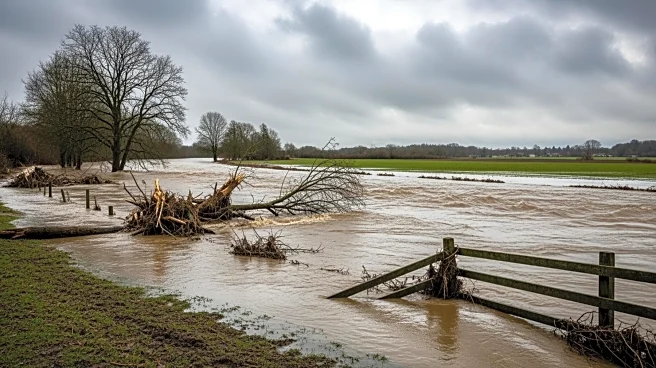
Severe flooding in Afghanistan has resulted in the deaths of 17 individuals and has affected thousands more across various regions of the country. The National Disaster Management Authority reported that
the floods have disrupted daily life in central, northern, southern, and western areas. The extreme weather conditions have caused significant damage, including the collapse of roofs, which has contributed to the fatalities. The floods have compounded existing challenges in Afghanistan, where infrastructure and emergency response capabilities are already strained.
Why It's Important?
The flooding in Afghanistan highlights the ongoing vulnerability of the region to natural disasters, exacerbated by climate change and inadequate infrastructure. The loss of life and disruption to daily activities underscore the urgent need for improved disaster preparedness and response mechanisms. This event also draws attention to the broader implications of climate-related disasters on global food security, as affected regions may face challenges in agricultural production. The international community, including organizations like the World Food Programme, plays a crucial role in providing aid and support to mitigate the impact of such disasters.
What's Next?
In the aftermath of the floods, immediate relief efforts are likely to focus on providing shelter, food, and medical assistance to those affected. Long-term strategies may involve strengthening infrastructure to withstand future natural disasters and enhancing early warning systems. International aid and collaboration will be essential in supporting Afghanistan's recovery and resilience-building efforts. The situation may also prompt discussions on climate adaptation and sustainable development practices to prevent similar occurrences in the future.
Beyond the Headlines
The floods in Afghanistan serve as a reminder of the interconnectedness of global challenges such as climate change, food security, and humanitarian crises. The event may influence policy discussions on international cooperation in disaster risk reduction and climate adaptation. Additionally, it highlights the ethical responsibility of the global community to support vulnerable regions in building resilience against natural disasters. The long-term impact on Afghanistan's socio-economic stability and development prospects will be closely monitored by international observers.