



What's Happening?
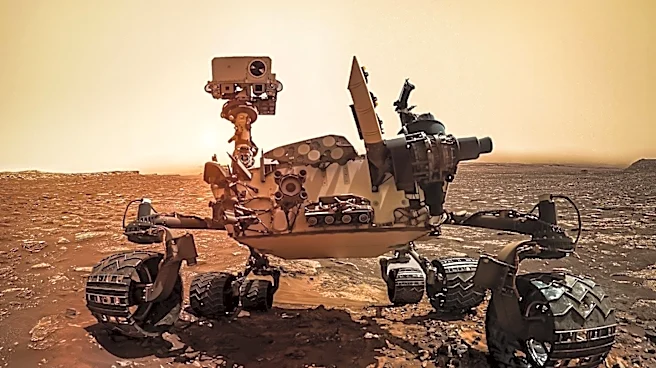
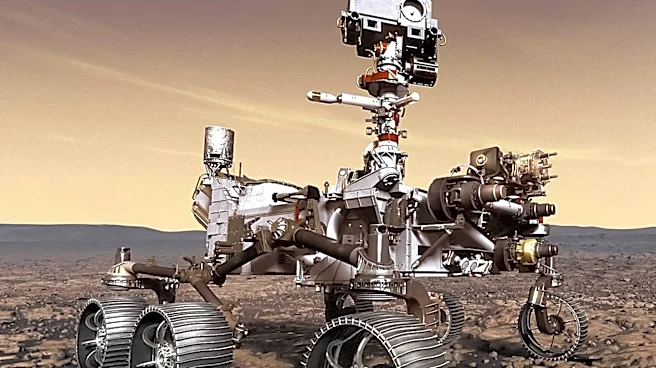
NASA is considering converting an engineering model of a Mars rover into a lunar rover named PROMISE, intended for the moon's exploration. The project, however, faces significant cost challenges, with estimates suggesting it could exceed $1 billion. NASA Administrator
Jared Isaacman has expressed interest in utilizing existing hardware to support lunar base efforts, but the high cost and technical requirements, such as the need for a radioisotope thermoelectric generator (RTG), pose hurdles. The Planetary Society's analysis indicates that the mission would require substantial resources and may not be feasible until the early 2030s.
Why It's Important?
The PROMISE rover project highlights the complexities and financial challenges of repurposing existing technology for new missions. While leveraging existing hardware could expedite lunar exploration, the high costs and technical demands could divert resources from other scientific priorities. This situation underscores the need for strategic planning and resource allocation in NASA's exploration agenda. The project's outcome could influence future mission planning and the prioritization of scientific goals within NASA's portfolio.
What's Next?
NASA will need to address the cost and feasibility issues associated with the PROMISE project. This includes evaluating the availability of necessary components like the RTG and assessing the project's impact on other missions. The agency may need to make strategic decisions about resource allocation and mission priorities. Stakeholders, including policymakers and the scientific community, will likely engage in discussions about the project's viability and its alignment with broader exploration goals.