





What's Happening?
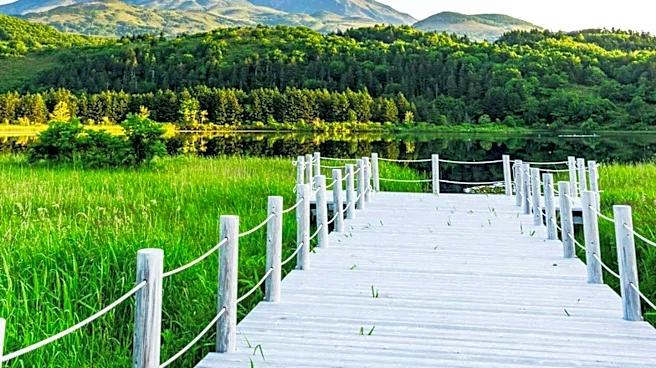
The Henrys Lake Wilderness Study Area (WSA) and its surrounding public lands, including Henrys Lake State Park and Caribou-Targhee National Forest, provide a range of hiking opportunities in a primitive recreation setting. While direct access to the WSA is
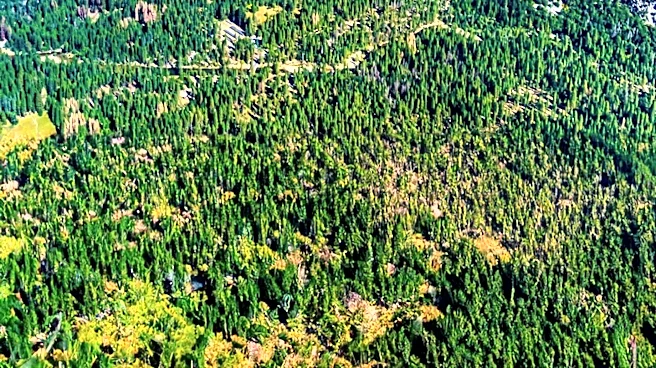
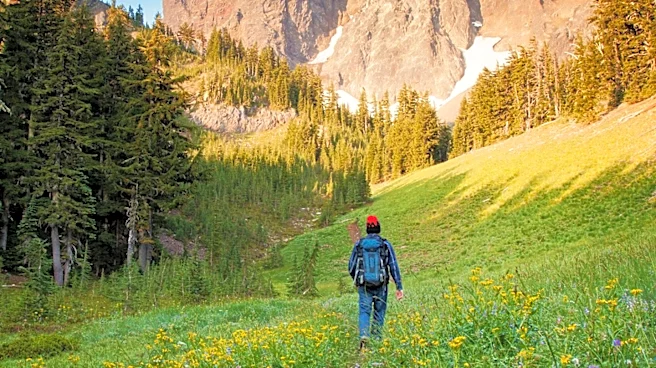
limited by private land, adjacent areas offer diverse trails traversing riparian vegetation, sagebrush slopes, and forests of Douglas-fir and lodgepole pine. The area is rich in wildlife, with opportunities to spot large mammals such as black bears, grizzly bears, moose, elk, and deer, as well as various bird species like bald eagles. Hikers can choose from easier trails suitable for beginners, such as the 5.8 km Henrys Lake Trail, to more challenging routes like the 27.5 km Dry Fork and Targhee Creek Loop, which features significant elevation changes. Late spring and summer are recommended for hiking due to favorable weather and abundant wildflowers.
Why It's Important?
The Henrys Lake Wilderness Study Area represents a significant natural resource for primitive recreation in the U.S., offering solitude and natural beauty away from crowded destinations. Its diverse trail system caters to a wide range of hikers, promoting physical activity and mental well-being. The area's rich wildlife, including large mammals and migratory birds, underscores its ecological importance as a habitat and migration corridor. Protecting such areas contributes to biodiversity conservation and provides valuable opportunities for wildlife observation and environmental education. The challenges of access due to surrounding private land highlight ongoing issues in public land management and the balance between conservation and private property rights, which can influence future land use policies and recreational access for the public.
What's Next?
Visitors planning to hike in the Henrys Lake area should continue to access trails through adjacent public lands like Henrys Lake State Park and Caribou-Targhee National Forest, as direct access to the WSA remains limited. Hikers are advised to check local regulations regarding dogs and to be prepared for changing mountain weather conditions. Efforts to manage and preserve the primitive character of the WSA will likely continue, potentially involving ongoing discussions about public access and conservation strategies. The area's popularity for wildlife viewing may also lead to increased focus on wildlife protection measures and educational initiatives for visitors to ensure minimal impact on the ecosystem. The best time to visit for optimal hiking conditions and wildflower viewing will remain late spring and summer.
Beyond the Headlines
The Henrys Lake Wilderness Study Area's unique blend of primitive recreation and abundant wildlife offers a critical counterpoint to increasingly urbanized lifestyles, providing a space for profound connection with nature. The presence of large mammals like grizzly bears and moose, while a draw for wildlife enthusiasts, also necessitates a heightened awareness of wilderness safety and responsible outdoor practices. This area serves as a living laboratory for understanding ecological processes and the impacts of human presence on sensitive ecosystems. The ongoing challenge of limited direct access due to private land ownership reflects a broader national debate on land use, public access rights, and the economic and environmental values placed on wild spaces. This dynamic interplay shapes not only recreational opportunities but also the long-term health and accessibility of America's natural heritage.