





What's Happening?
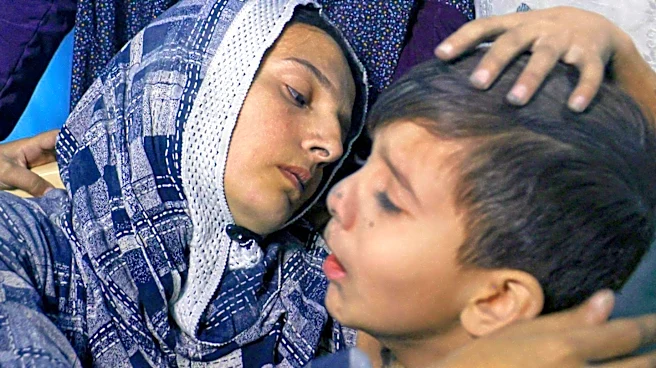
The United Nations Children’s Fund (UNICEF) has announced that 50% of children in Afghanistan are experiencing severe food poverty, lacking access to a diverse and nutritious diet. In 2026 alone, approximately 3.7 million Afghan children suffered from
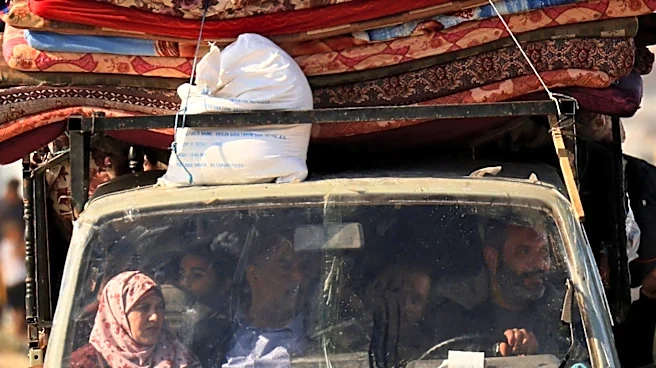
acute malnutrition. UNICEF emphasized that while treating malnutrition is crucial for saving lives, preventative measures are equally vital to effectively address the ongoing crisis. Young children are particularly vulnerable, with about 80% of those suffering from wasting being under the age of two. The organization highlighted that current efforts, primarily focused on treatment, are insufficient to tackle the widespread issue, necessitating a shift towards prevention before malnutrition becomes severe. This situation is compounded by broader humanitarian challenges in Afghanistan, including economic decline and large-scale population returns, which strain essential services.
Why It's Important?
This report underscores a severe humanitarian crisis impacting the foundational well-being of Afghanistan's future generation. High rates of child malnutrition have profound long-term consequences, including impaired physical and cognitive development, increased susceptibility to illness, and reduced educational attainment. These factors can perpetuate cycles of poverty and instability, hindering the country's ability to recover and develop. The emphasis on preventative measures by UNICEF highlights a critical gap in current aid strategies, suggesting that reactive treatment alone cannot resolve the systemic issues driving food insecurity. The vulnerability of children under two years old indicates a failure to protect the most critical developmental period, potentially leading to a generation with chronic health problems and limited opportunities. The strain on essential services due to economic decline and population movements further exacerbates the crisis, making effective intervention more challenging and underscoring the need for comprehensive, sustained international support.
What's Next?
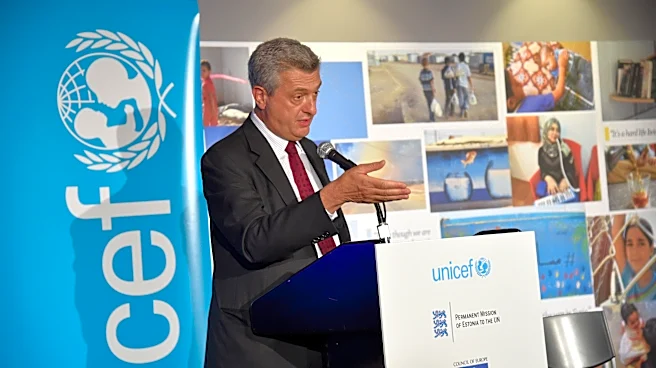
UNICEF, in collaboration with international partners like the UK Special Representative Richard Lindsay, will likely continue to advocate for increased focus on preventative nutrition strategies in Afghanistan. This could involve enhanced funding for programs that improve access to diverse and nutritious diets, particularly for young children and pregnant women. Efforts may also concentrate on strengthening community-based health services, improving food security, and addressing underlying economic and social determinants of malnutrition. International organizations will likely continue to monitor the situation through systems like the Community Nutrition Sentinel Site system. The ongoing pressures of mass returns and economic instability mean that humanitarian agencies will need to adapt their responses to ensure that essential services are not further overwhelmed. The success of future interventions will depend on a coordinated approach that combines immediate life-saving treatment with long-term preventative strategies and robust monitoring.
Beyond the Headlines
The severe child food poverty in Afghanistan reflects a complex interplay of conflict, economic collapse, and governance challenges. Beyond the immediate health impacts, this crisis has significant ethical and societal implications. The inability to provide basic nutrition to half of its children raises questions about human rights and the international community's responsibility to protect vulnerable populations. Culturally, traditional practices and limited access to information may also influence dietary choices and healthcare-seeking behaviors, further complicating intervention efforts. The long-term societal impact could include a generation with diminished human capital, affecting future productivity, social cohesion, and stability. Addressing this crisis requires not only humanitarian aid but also sustainable development initiatives, peacebuilding efforts, and a commitment to strengthening local governance and infrastructure to ensure food security and access to healthcare for all children.