




What's Happening?
U.S. Citizenship and Immigration Services (USCIS) has announced inflation adjustments to certain immigration fees for Fiscal Year (FY) 2027, as mandated by H.R. 1, the 'One Big Beautiful Bill Act,' signed by President Trump on July 4, 2025. These adjustments,
which reflect inflation between July 2025 and July 2026, will take effect on October 16, 2026. The increases are modest, ranging from $3 to $30, and primarily affect humanitarian programs such as asylum, parole, and Temporary Protected Status (TPS). For instance, the Immigration Parole Fee (Form I-131) will increase from $1,020 to $1,050, and the Initial TPS EAD (Form I-765) will go from $560 to $570. USCIS will reject any filing postmarked on or after October 16, 2026, that does not include the new, correct fee amount. Some fees, such as the I-589 initial asylum fee and certain EAD renewals, will remain unchanged due to statutory rounding rules or because they are not subject to annual inflation adjustments.
Why It's Important?
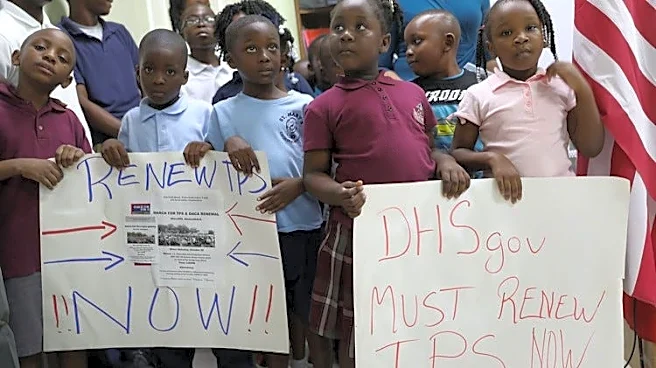
These fee adjustments are important for applicants and employers involved in humanitarian immigration programs. The requirement for precise fee payment, with rejections for incorrect amounts, can lead to significant delays, loss of filing dates, and potential gaps in work authorization for individuals relying on EADs or TPS. This directly impacts the stability and livelihoods of many immigrants and the operational continuity of businesses employing them. The annual nature of these adjustments, mandated by H.R. 1, signifies a continuous financial burden on vulnerable populations seeking humanitarian relief. While the individual increases may seem small, the cumulative effect and the strict enforcement of correct payment can create substantial hurdles, particularly for those with limited financial resources. Employers and HR teams must update their internal fee schedules to ensure compliance and avoid disruptions for their employees who depend on parole-based or TPS-based EADs.
What's Next?
Applicants and employers must prepare for the new fee schedule, which becomes effective for filings postmarked on or after October 16, 2026. To avoid rejections, individuals are advised to file early if possible, double-check all fees before mailing, and pay the new amounts if filing close to the deadline. Employers and HR departments should update their fee tables immediately to account for these changes. USCIS is required to recalculate these fees annually, meaning further adjustments can be expected in future fiscal years. The ongoing implementation of H.R. 1's provisions will continue to shape the financial landscape for humanitarian immigration applications, necessitating constant vigilance from all stakeholders to ensure timely and accurate submissions. The Federal Register notice provides full details, and applicants are encouraged to consult it or seek expert advice.
Beyond the Headlines
The annual inflation adjustments to immigration fees, particularly those impacting humanitarian programs, highlight a broader trend of increasing financial barriers to immigration in the U.S. While framed as routine adjustments, these fees can disproportionately affect asylum seekers, parolees, and TPS recipients, who often face economic hardship. The strict rejection policy for incorrect payments, even for minor discrepancies, underscores a bureaucratic rigidity that can have profound human consequences, potentially leading to loss of legal status or work authorization. This system, established under H.R. 1, reflects a policy approach that places a financial burden on individuals seeking protection and stability. The continuous need for vigilance regarding fee changes adds another layer of complexity to an already intricate immigration process, potentially exacerbating stress and uncertainty for vulnerable populations and the organizations that support them.