






What's Happening?
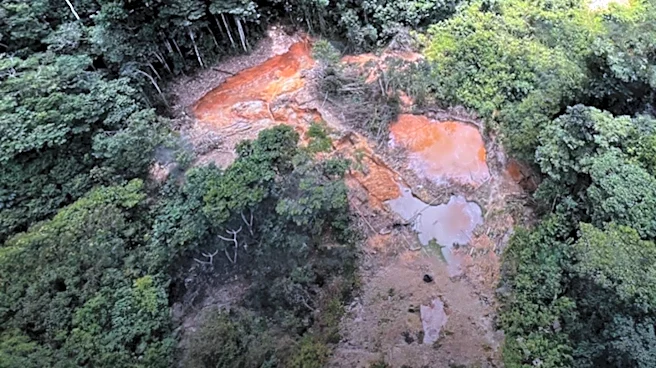
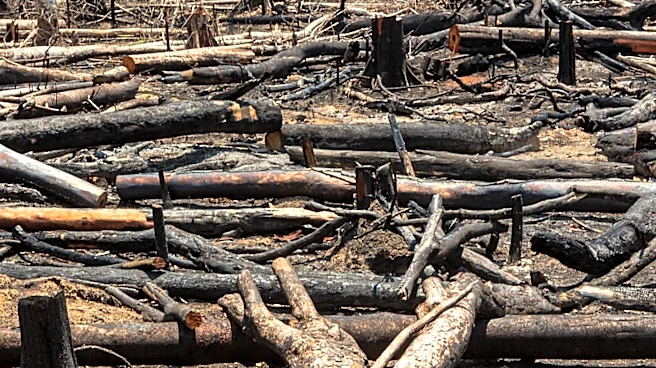
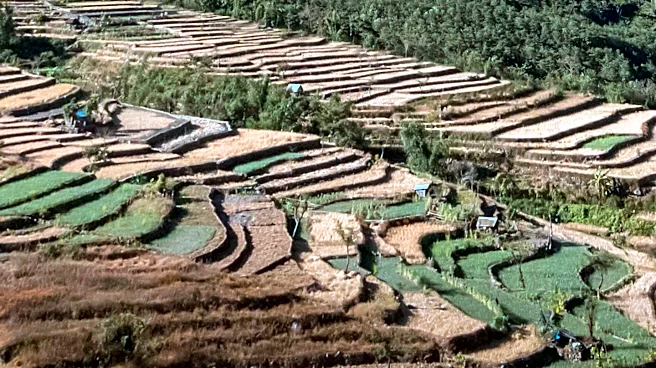
A global study has found that slash-and-burn farming, traditionally blamed for deforestation, can support both food production and forest recovery when managed carefully. The research examined over 18,000 forest patches and found that local customs and shared
labor can control land use without formal government enforcement. The study highlights the cyclical pattern of reciprocal exchanges of agricultural labor, social norms, and ecosystem services that regenerate the fertility of cleared forest patches.
Why It's Important?
The findings challenge the conventional view that slash-and-burn farming is inherently destructive. By demonstrating that small-scale rural communities can manage forests sustainably, the study suggests that traditional practices can coexist with conservation efforts. This has implications for policymakers, who may need to support community-based forest management rather than imposing strict top-down regulations.
Beyond the Headlines
The study connects with the work of Nobel Prize-winning economist Elinor Ostrom, who showed that communities can protect shared resources through cooperation and social consequences. The research suggests that traditional farming practices can increase biodiversity across landscapes, offering a more nuanced view of land use and conservation.