



What's Happening?
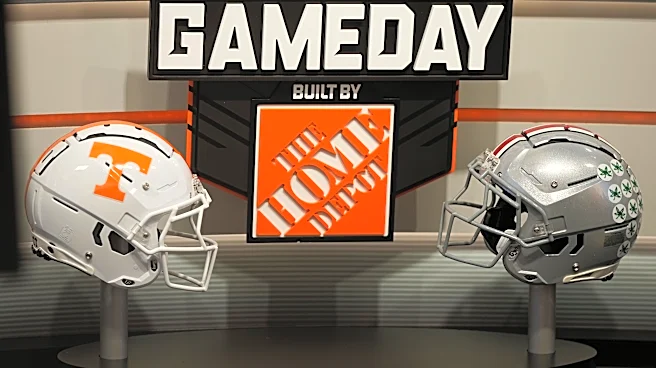
ESPN is facing significant backlash for featuring Senator Ted Cruz on its College GameDay program to discuss the Protect College Sports Act. The segment, which lasted nearly 10 minutes, allowed Senator Cruz to advocate for the proposed legislation without
an opposing viewpoint being presented. The Protect College Sports Act, co-sponsored by Senator Cruz, aims to establish national standards for Name, Image, and Likeness (NIL) deals, player transfers, and eligibility within college sports. Supporters of the bill, including influential figures like Nick Saban and Pat McAfee, argue it will bring order to college athletics. However, critics contend that the bill limits player rights and benefits programs over athletes. The decision to grant Senator Cruz an extended platform without a counter-argument has led to accusations that ESPN is acting as a political lobbying firm, with many viewers and analysts expressing disappointment and questioning the network's journalistic integrity. The segment was met with boos and chants from the live audience in Austin.
Why It's Important?
The controversy surrounding ESPN's decision highlights the increasing intersection of politics and sports, particularly in the context of college athletics. The Protect College Sports Act, if passed, could fundamentally reshape the landscape of college sports by imposing federal regulations on NIL, transfers, and player eligibility. This has significant implications for college athletes, universities, and athletic conferences across the U.S. Critics argue that the bill could restrict athletes' earning potential and freedom, consolidating power within the NCAA and schools. The lack of an opposing voice during Senator Cruz's segment on a widely watched sports program raises concerns about media bias and the potential for one-sided political advocacy on platforms traditionally dedicated to sports analysis. This event could influence public perception of both ESPN and the proposed legislation, potentially affecting the bill's passage and the future of college sports governance.
What's Next?
The Protect College Sports Act is scheduled for Senate debate later in September, following its advancement from committee with bipartisan support. In response to ESPN's segment, Senator Chris Murphy (D-Conn.), a critic of the bill, is scheduled to hold a press conference with college athletes, professional athlete unions, families, and advocates to detail their concerns. This event aims to highlight how the bill might deny college athletes their rights and protections as workers. The ongoing debate and public discourse surrounding the bill are likely to intensify as it approaches a potential Senate vote. ESPN's decision to feature Senator Cruz without an opposing view may continue to draw scrutiny and could prompt further discussions about the role of sports media in political advocacy. The outcome of the Senate debate will determine the future regulatory framework for college sports in the U.S.
Beyond the Headlines
This incident underscores a broader ethical dilemma for media organizations like ESPN: how to cover legislative efforts that directly impact their core content without appearing to endorse a particular political stance. The criticism suggests a perceived blurring of lines between sports commentary and political lobbying, which could erode audience trust. The debate over the Protect College Sports Act also reflects a fundamental tension in college athletics: balancing the financial interests of institutions and conferences with the rights and economic opportunities of student-athletes. The push for federal legislation indicates a growing recognition that the current system, particularly regarding NIL, is seen by some as chaotic and in need of national standardization. However, the method of achieving this standardization and its potential impact on athlete autonomy remain contentious issues, raising questions about fairness, labor rights, and the commercialization of amateur sports.