





What's Happening?
Moroccan Christians navigate significant restrictions and animosity despite the country having some degree of religious freedom. While conversion to Christianity is technically allowed, openly practicing the faith can lead to police scrutiny and potential
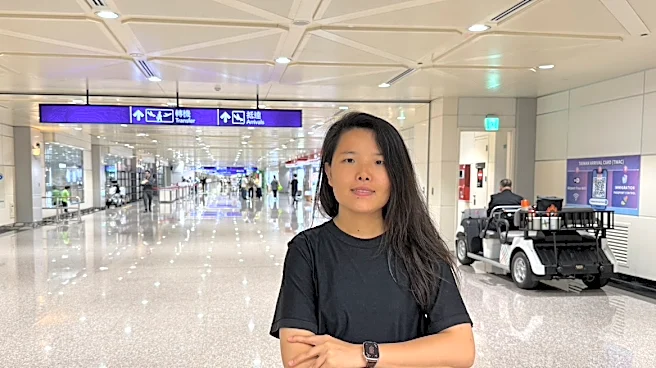
detainment. Proselytizing is illegal and punishable by prison time. The Moroccan constitution recognizes only Sunni Muslims and a small, ancient Jewish population as native religious groups. Although the Christian population has increased in recent years, largely due to migrants from sub-Saharan Africa, the 44 registered churches in Morocco are almost exclusively attended by foreigners. Moroccan converts often face societal persecution, leading them to conceal their faith. For instance, 'Yasmine,' a Muslim-background Moroccan woman who converted to Christianity, noted that local converts would not feel safe discussing their conversion with other Moroccans but find it easier with foreigners. Converts risk severe social and economic consequences, including divorce, loss of child custody, estrangement from family, and employment discrimination. One Christian convert reportedly lost his job and was physically assaulted after his conversion became known. Entering a public church as a Moroccan convert can also lead to arrest or being asked to leave by clergy to avoid issues with authorities.
Why It's Important?
The challenges faced by Moroccan Christians highlight the complex interplay between constitutional rights, societal norms, and religious freedom in a predominantly Muslim nation. While the constitution technically permits conversion, the practical realities of social pressure, legal restrictions on proselytizing, and the risk of persecution create a challenging environment for religious minorities. This situation underscores the difficulties in achieving genuine religious pluralism when deeply ingrained cultural and religious identities are at play. For international human rights organizations and governments, this raises concerns about the effective implementation of religious freedom principles. The potential for discrimination in employment, family life, and public spaces for converts can lead to significant social stratification and marginalization. The fact that jihadist groups of Moroccan background have been more active in Europe than in Morocco itself, despite widespread disapproval of jihadist groups within Morocco, suggests a nuanced internal dynamic where societal pressure rather than extremist violence is the primary mechanism of control over religious minorities.
What's Next?
The situation for Moroccan Christians is likely to remain challenging, with continued efforts by converts to practice their faith discreetly. International human rights organizations may continue to advocate for greater religious freedom and protection for minorities in Morocco. There could be ongoing internal discussions within Morocco about the balance between religious tradition and individual liberties, potentially influenced by global human rights discourse. However, significant legal or societal changes are unlikely in the short term due to the deeply entrenched constitutional and cultural norms. The increase in Christian migrants from sub-Saharan Africa might lead to a gradual shift in the religious landscape, but their integration and the acceptance of native converts will likely remain a sensitive issue. The focus will probably remain on discreet community building among converts and continued advocacy for their rights.
Beyond the Headlines
The experience of Moroccan Christians reveals a deeper tension between state-sanctioned religious identity and individual religious choice. The constitutional recognition of only two native religious groups implicitly marginalizes others, creating a framework where non-recognized faiths operate in a legal and social gray area. The societal animosity and the severe personal consequences for converts, such as loss of family and employment, illustrate the powerful role of social cohesion and traditional values in shaping religious practice. This situation also highlights the limitations of legal frameworks alone in guaranteeing human rights, as societal attitudes and informal pressures can be equally, if not more, restrictive. The narrative of 'Yasmine' and other converts underscores the personal courage required to embrace a different faith in such an environment, often leading to a double life. This ongoing struggle for religious identity and acceptance in Morocco reflects broader global challenges in reconciling religious freedom with national identity and cultural heritage.