






What's Happening?
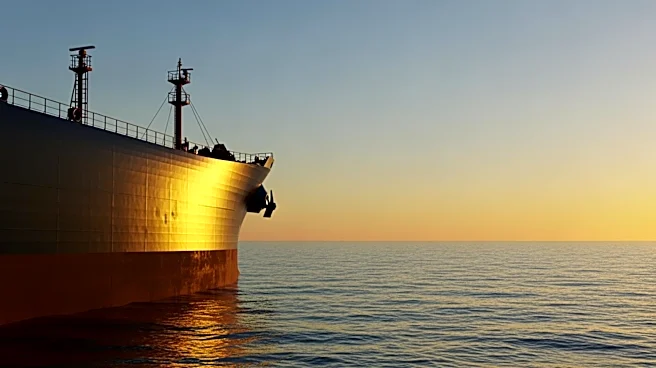
The Trump administration has authorized the use of foreign-registered oil ships to transport oil between U.S. ports, a practice not used for over a century, to address California's gas supply issues. This decision circumvents the 1920 Jones Act, which
typically restricts such activities to U.S.-flagged vessels. The waiver, effective until May 17, allows California to receive large quantities of oil that cannot be supplied by in-state pipelines. This move comes as California faces high gas prices and limited supply, partly due to Governor Gavin Newsom's opposition to new pipeline projects over environmental concerns. The administration is considering extending the waiver, citing increased supply and potential cost reductions.
Why It's Important?
This development is crucial for California, where gas prices are among the highest in the nation. By allowing foreign ships to transport oil, the state can alleviate some of the supply constraints and potentially lower prices. The decision also highlights the ongoing tension between economic needs and environmental policies, as California grapples with balancing energy demands and environmental protection. The waiver's impact on the state's economy and its precedent for future energy policy decisions are significant, as it may influence how other states address similar challenges.
What's Next?
The Trump administration will decide whether to extend the Jones Act waiver beyond May 17. Stakeholders, including environmental groups and the oil industry, are likely to weigh in on this decision. The outcome could affect future energy policies and the balance between environmental concerns and economic needs. Additionally, the arrival of more oil shipments in California will be closely monitored to assess their impact on gas prices and supply stability.