




What's Happening?
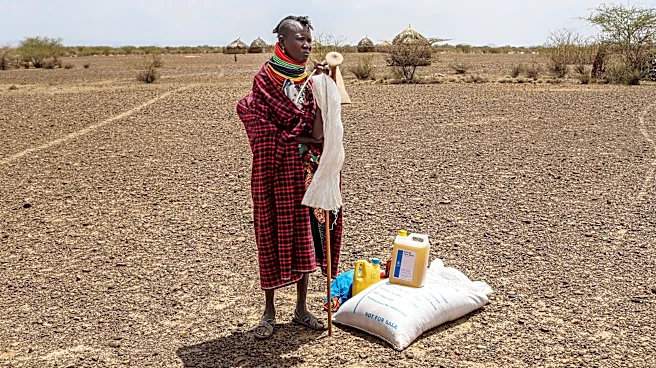
India is enhancing its presence in Africa through a dual approach that combines humanitarian aid with long-term economic strategies. Recently, India has dispatched significant rice shipments to Burkina Faso, Malawi, and Mozambique, countries facing severe
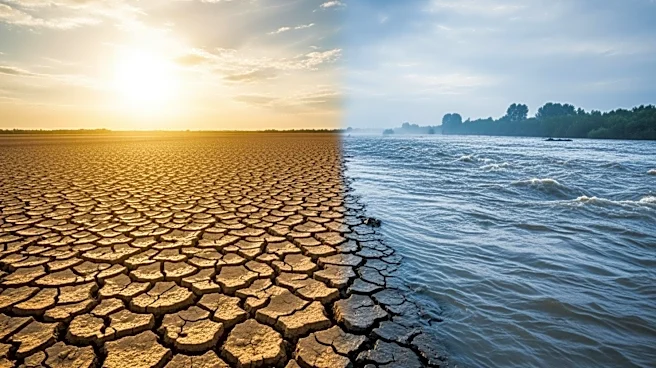
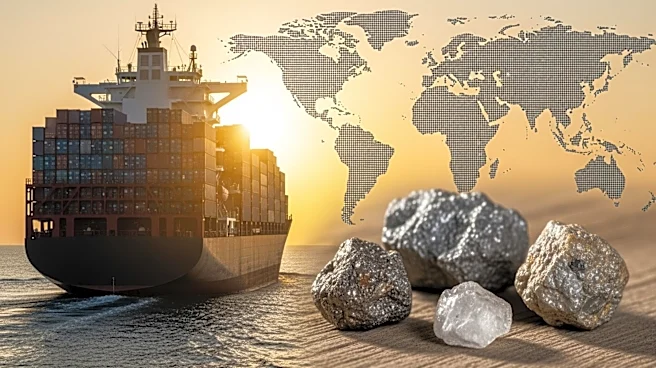
humanitarian challenges. Burkina Faso is dealing with a major humanitarian crisis exacerbated by violence and political instability, while Malawi and Mozambique are struggling with food shortages due to climate-related issues. Alongside these aid efforts, Indian policy experts are advocating for deeper engagement in Africa's critical minerals sector. This push is driven by concerns over energy security and supply chain risks, prompting calls for partnerships that extend beyond mere resource extraction to include technology transfer and workforce development.
Why It's Important?
India's actions in Africa are significant for several reasons. The humanitarian aid addresses immediate food security needs in countries facing dire conditions, potentially stabilizing regions affected by conflict and climate change. Economically, India's interest in Africa's mineral resources aligns with global trends of securing critical materials essential for technology and energy sectors. By fostering partnerships that emphasize shared value and technological collaboration, India positions itself as a key player in the global supply chain for critical minerals. This strategy not only strengthens India's geopolitical influence but also supports its domestic industries reliant on these resources. The move could also encourage other nations to adopt similar partnership models, potentially reshaping international economic relations with Africa.
What's Next?
India's future actions may involve formalizing agreements with African nations to secure access to critical minerals while ensuring mutual benefits through technology and skill development. These partnerships could lead to increased investment in infrastructure and education in Africa, fostering economic growth and stability. Additionally, India's approach may prompt other countries to reevaluate their strategies in Africa, potentially leading to increased competition for resources and influence. The success of India's initiatives could also influence its foreign policy and economic strategies in other regions, as it seeks to balance humanitarian aid with strategic economic interests.
Beyond the Headlines
India's engagement in Africa highlights broader themes of global economic realignment and the importance of sustainable development. By focusing on technology transfer and workforce training, India is promoting a model of development that prioritizes long-term growth over short-term gains. This approach may serve as a blueprint for other nations seeking to engage with resource-rich regions in a manner that is both economically beneficial and socially responsible. Furthermore, India's actions underscore the interconnectedness of humanitarian aid and economic strategy, illustrating how immediate relief efforts can pave the way for deeper, more sustainable partnerships.