





What's Happening?
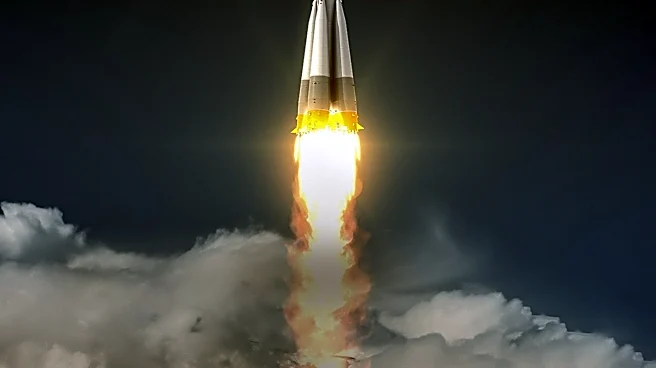
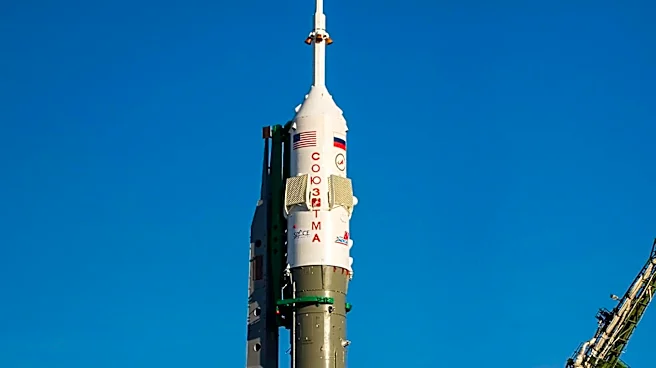
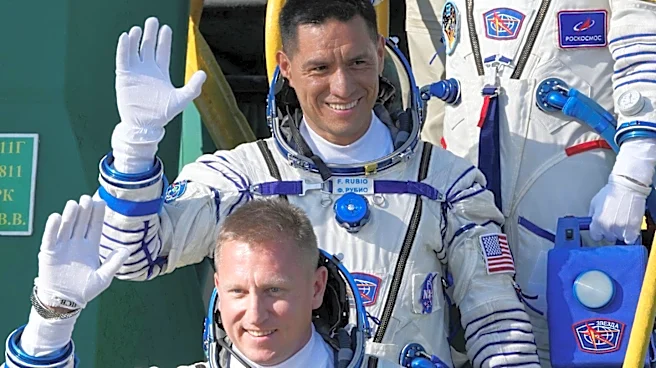
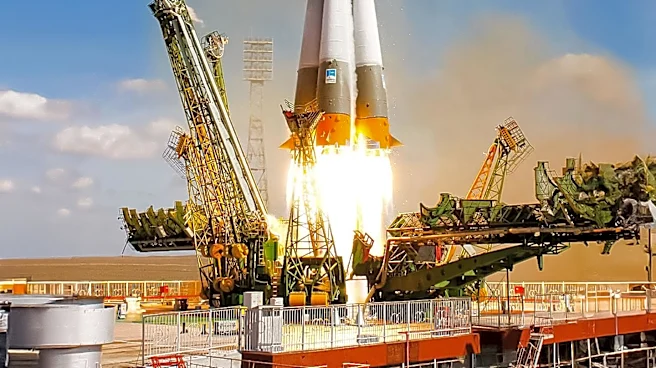
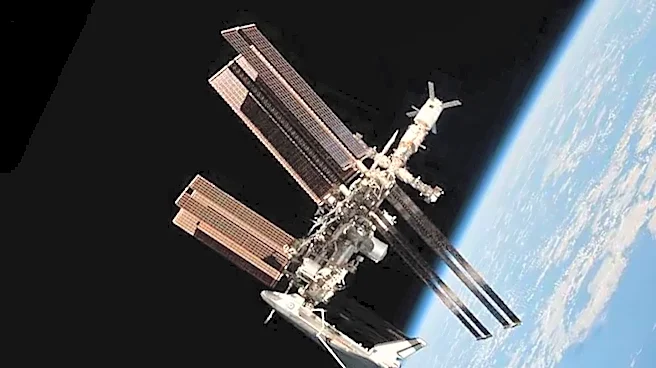
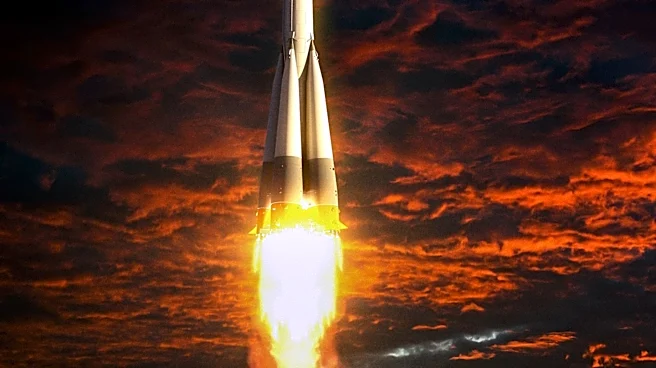
Russia has successfully launched a crewed mission to the International Space Station (ISS) from the Baikonur Cosmodrome in Kazakhstan. The mission includes U.S. astronaut Anil Menon and Russian cosmonauts Pyotr Dubrov and Anna Kikina. They lifted off
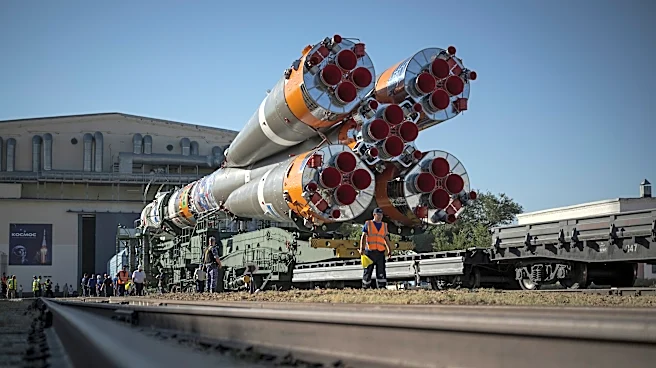
aboard the Soyuz MS-29 spacecraft and are set to spend approximately eight months on the ISS as part of the station's 75th rotation crew. This launch marks a significant event as it resumes crewed flights from a recently repaired launchpad. The launch was attended by NASA Administrator Jared Isaacman and Roscosmos director Dmitry Bakanov, highlighting a rare joint appearance by the heads of NASA and Russia's space agency.
Why It's Important?
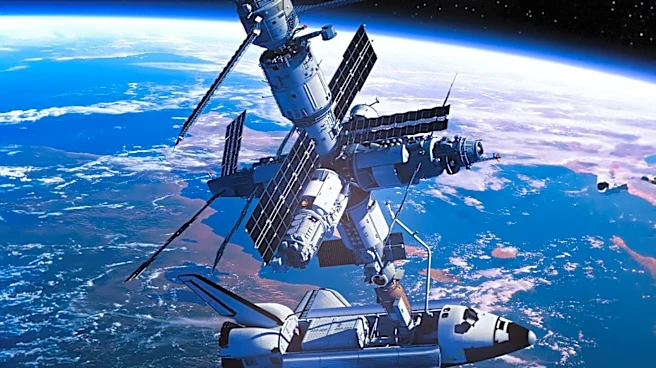
This mission underscores the ongoing collaboration between the United States and Russia in space exploration, despite geopolitical tensions. The presence of NASA's chief at the launch signifies a continued commitment to international cooperation in space. The mission also highlights the importance of the ISS as a platform for scientific research and international partnership. The successful launch from a repaired launchpad demonstrates Russia's capability to maintain its space infrastructure, which is crucial for future missions. The participation of U.S. astronaut Anil Menon further strengthens the ties between NASA and Roscosmos, ensuring that scientific and exploratory objectives are met collaboratively.
What's Next?
The crew is expected to dock with the ISS after a three-hour journey, where they will join the existing crew members. Their mission will involve conducting scientific experiments and maintaining the station's operations. The successful completion of this mission could pave the way for future collaborations and potentially ease tensions between the two space agencies. The repaired launchpad will likely see more activity, supporting both crewed and uncrewed missions. The outcomes of this mission could influence future policies and agreements between NASA and Roscosmos, impacting the broader landscape of international space exploration.