




What's Happening?
The Flossmoor Village Board has approved another extension of its local disaster declaration, continuing recovery efforts nearly two months after severe storms and tornado activity impacted the community. This decision comes after the Federal Emergency
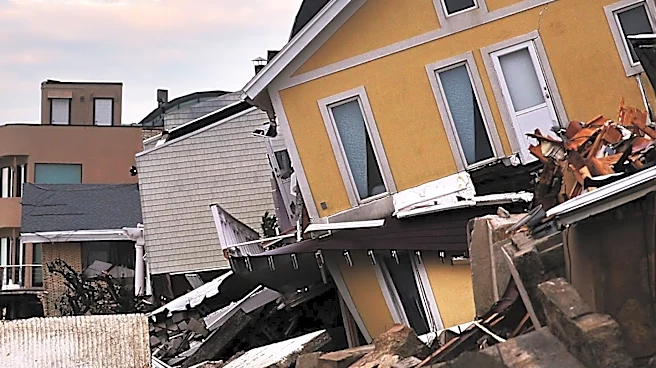
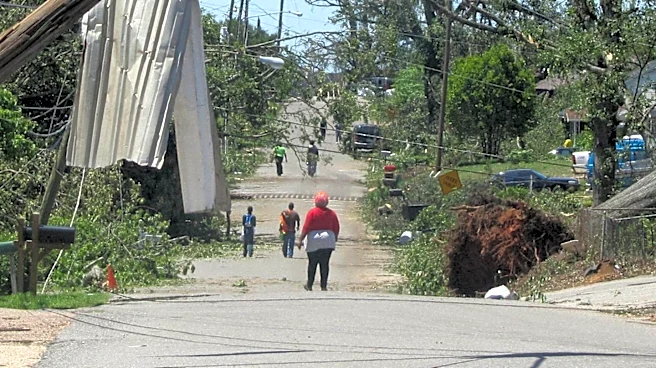
Management Agency (FEMA) denied Illinois' request for individual assistance following the August 11 storm. The ordinance extends the emergency declaration, which was initially made by Mayor Michelle Nelson on August 11, due to widespread power outages, roadway hazards, downed trees, and other significant damage throughout Flossmoor. The ongoing extension signifies the village's continued need for resources and coordinated efforts to address the aftermath of the natural disaster, despite the lack of federal individual aid.
Why It's Important?
This situation is important as it highlights the challenges local communities face in disaster recovery, particularly when federal assistance is denied. FEMA's denial of individual assistance means that residents and businesses in Flossmoor will not receive direct federal financial aid for damages, placing a greater burden on local resources, state programs, and individual insurance policies. This can significantly prolong the recovery process for affected families and businesses, potentially leading to increased financial strain and slower rebuilding efforts. For the village government, extending the disaster declaration allows for continued access to certain emergency powers and resources, but it also underscores the severity and persistence of the damage. The denial of federal aid can also spark broader discussions about the criteria for disaster declarations and the adequacy of support mechanisms for communities impacted by increasingly frequent and intense weather events.
What's Next?
Flossmoor will continue its recovery efforts under the extended local disaster declaration, focusing on debris removal, infrastructure repair, and supporting affected residents through local and state channels. The village may explore alternative funding sources, such as state grants or private donations, to compensate for the lack of federal individual assistance. Residents and businesses will likely rely more heavily on their insurance claims and personal savings for recovery. There could also be continued advocacy from local and state officials to FEMA, potentially appealing the decision or seeking other forms of federal support. The experience in Flossmoor might also prompt a review of disaster preparedness and response strategies at both the local and state levels, aiming to enhance resilience and secure more robust support for future events.
Beyond the Headlines
Beyond the immediate recovery efforts, this event sheds light on the complex and often contentious process of federal disaster aid allocation. FEMA's decisions are based on specific criteria, and denials can lead to significant public and political frustration, raising questions about equity and fairness in disaster relief. This situation in Flossmoor could contribute to a broader national conversation about how federal disaster aid is distributed, whether the current criteria adequately address the needs of all affected communities, and the role of climate change in increasing the frequency and severity of natural disasters. It also underscores the importance of local and state governments having robust emergency funds and comprehensive disaster plans, as federal aid is not always guaranteed. The long-term impact on Flossmoor's community resilience and economic stability will depend on the effectiveness of local recovery initiatives and the support received from non-federal sources.