





What's Happening?
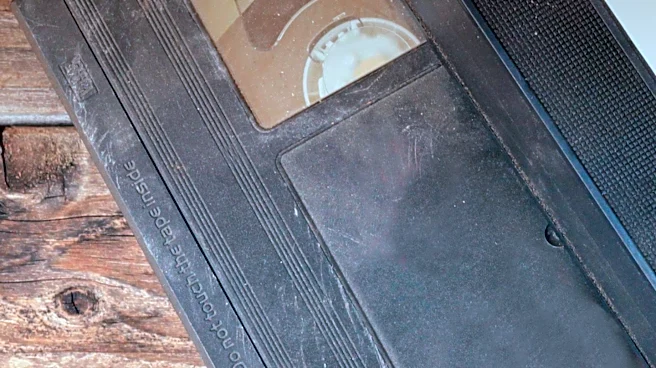
Archivists in the Pacific Northwest are raising an alarm about the imminent loss of historical records stored on magnetic media, such as VHS and audio cassettes, due to their rapid degradation. Organizations like MIPoPS (Moving Image Preservation of Puget
Sound) are actively working to preserve these local stories, which range from public events to personal home life. Magnetic media has a significantly shorter lifespan compared to film, with a standard VHS tape lasting only 10 to 30 years. The Library of Congress estimates that most magnetic media will need to be digitized and archived by 2032 to prevent irreversible loss. Libby Hopfauf, acting executive director of MIPoPS, emphasizes the urgency of these preservation efforts, noting that magnetic media, particularly video, democratized recording, allowing communities previously underrepresented in recorded history to document their experiences and cultures. MIPoPS has already digitized over 12,000 tapes but faces thousands more before the 2032 deadline.
Why It's Important?
The degradation of magnetic media poses a critical threat to the historical and cultural memory of the Pacific Northwest. These tapes contain invaluable local stories, personal narratives, and community histories that are not documented elsewhere. The loss of this media would mean an irreversible void in understanding the region's past, particularly for marginalized communities whose voices were amplified through the accessibility of video recording. This issue extends beyond the Pacific Northwest, highlighting a national challenge in preserving digital and analog historical records. The 2032 deadline set by the Library of Congress underscores the urgency for widespread action in digitization and archiving. Failure to act will result in a significant portion of recent history becoming inaccessible, impacting future research, education, and cultural identity. The efforts of organizations like MIPoPS are vital in safeguarding these unique records and ensuring that the diverse experiences of the past are available for future generations.
What's Next?
The immediate next step is a continued and intensified effort by organizations like MIPoPS to digitize the remaining thousands of magnetic tapes before the 2032 deadline. This will require increased funding, resources, and potentially more volunteers or specialized personnel. Public awareness campaigns are also crucial to encourage individuals and institutions holding magnetic media to contribute to preservation efforts or seek professional archiving services. Collaboration between local archives, historical societies, and national institutions like the Library of Congress will be essential to streamline processes and share best practices. Furthermore, technological advancements in media conversion and digital storage will play a significant role in ensuring the longevity and accessibility of these digitized records. The long-term goal is to establish sustainable archiving solutions that can adapt to future technological changes, preventing similar crises with new forms of media.
Beyond the Headlines
The crisis of degrading magnetic media reveals a deeper societal challenge regarding the ephemeral nature of digital and analog information in the modern age. While film was once considered a more stable medium, the rapid evolution of recording technologies has created a vast and vulnerable archive of human experience. This situation prompts critical questions about the responsibility of current generations to preserve their history for the future. It also highlights the democratic power of accessible technology; when video became affordable, it allowed a broader spectrum of society to record their lives, creating a more inclusive historical record than ever before. The potential loss of these diverse voices underscores the ethical imperative to invest in robust and forward-thinking preservation strategies. This isn't just about saving old tapes; it's about safeguarding the nuanced, multifaceted story of humanity and ensuring that future generations have access to the full tapestry of their heritage.