


What's Happening?
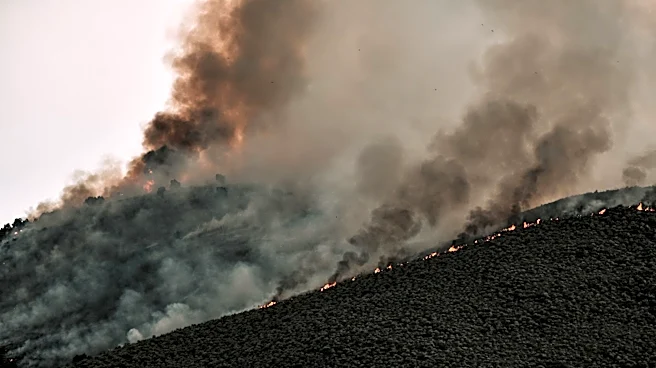
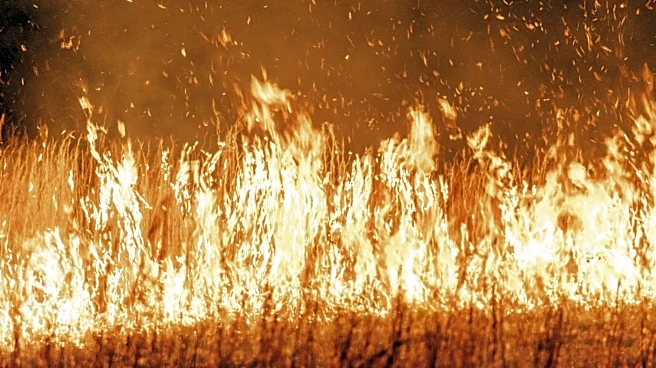
The Oregon State Fire Marshal has invoked the Emergency Conflagration Act in response to the rapidly spreading Shingle Fire in Grant and Wheeler counties. The fire, which is burning approximately 14 miles southeast of Mitchell, has grown to an estimated
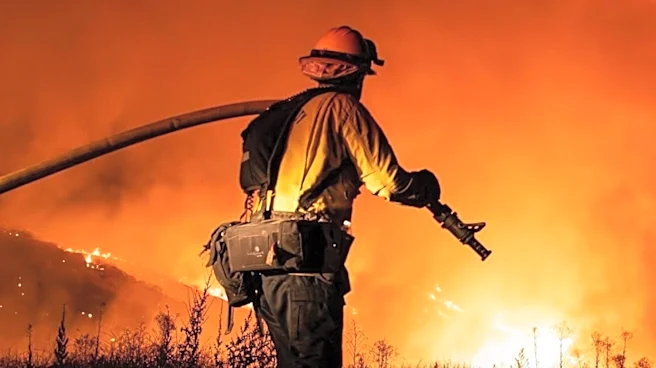
21,849 acres. The state has mobilized its Blue Incident Management Team to protect communities threatened by the fire. Evacuation orders have been issued across Crook, Grant, and Wheeler counties, with varying levels of urgency. The fire's rapid growth is attributed to dry conditions and gusty winds, prompting the state to deploy 37 task forces and strike teams, including resources from California and Washington. This marks the eighth invocation of the Emergency Conflagration Act in July 2026.
Why It's Important?
The invocation of the Emergency Conflagration Act underscores the severity of the wildfire situation in Oregon. The Shingle Fire poses a significant threat to life, property, and the environment, necessitating a coordinated response from state and local agencies. The mobilization of resources highlights the challenges faced by firefighting personnel in managing large-scale wildfires under extreme conditions. The situation also emphasizes the importance of community preparedness and the need for residents to adhere to evacuation orders to ensure their safety. The ongoing wildfires could have long-term impacts on the region's ecosystem and economy, affecting tourism and local businesses.
What's Next?
As the Shingle Fire continues to grow, the focus remains on protecting lives and property. The Great Basin Complex Incident Management Team 5 is set to take command of the fire, indicating an escalation in response efforts. Residents in affected areas are advised to stay informed through local emergency management channels and adhere to evacuation orders. The state will continue to monitor weather conditions, which could influence the fire's behavior and the effectiveness of containment efforts. The situation remains dynamic, with potential for further evacuations and resource deployments as conditions evolve.