








What's Happening?
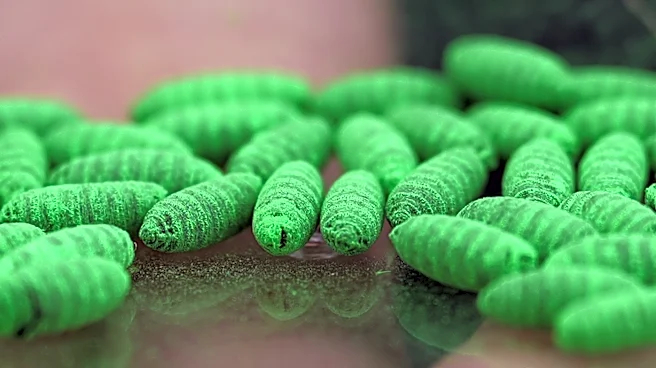
The New World screwworm fly, a parasite that was largely eradicated in the U.S. over 50 years ago, has reappeared, posing a threat to pets and livestock. The fly's larvae feed on live flesh and fluids, and can infest any mammal, including wildlife, dogs,
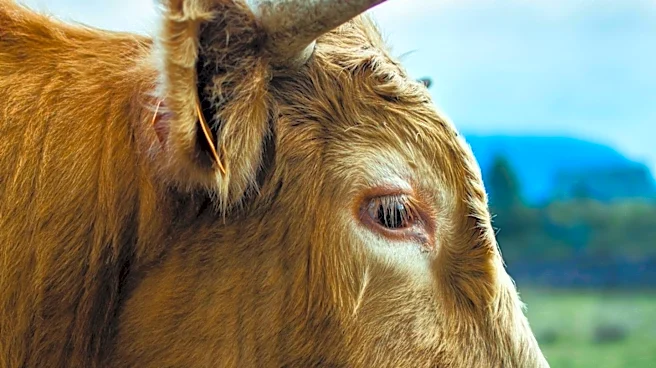
cats, and occasionally humans. The fly migrated north from Panama in 2024 and through Mexico in 2025, raising concerns among agriculture officials about its impact on the $113 billion U.S. cattle industry. In Texas and New Mexico, more than 30 cases have been confirmed, prompting warnings from veterinarians and humane societies for pet owners to remain vigilant.
Why It's Important?
The reemergence of the New World screwworm fly poses significant risks to the U.S. cattle industry and pet owners. The parasite can cause severe pain and potentially fatal infections in animals, leading to economic losses for farmers and distress for pet owners. The situation underscores the importance of monitoring and controlling invasive species to protect the agricultural sector and public health. The potential spread of the screwworm could lead to increased veterinary costs and necessitate government intervention to prevent further infestations.
What's Next?
Efforts to eradicate the screwworm fly are underway, with state and federal officials employing a method that involves releasing sterile male flies to reduce the population. The USDA has invested in breeding facilities to produce sterile flies, aiming to curb the spread of the parasite. Pet owners are advised to use flea and tick medications to protect their animals, and to seek veterinary care promptly if signs of infestation are observed. Continued monitoring and public awareness campaigns will be crucial in managing the threat posed by the screwworm.