



What's Happening?
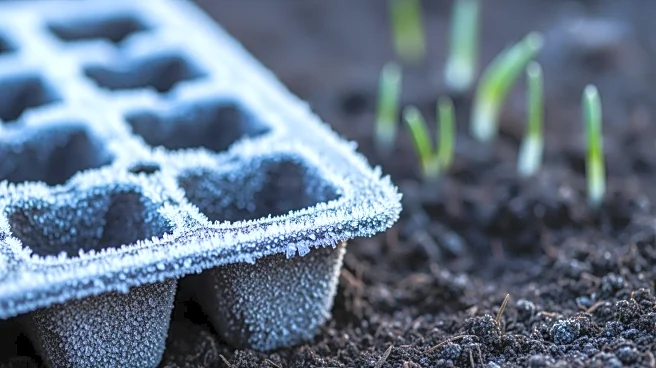
Farmers are being advised to incorporate winter sowing into their agricultural practices to boost productivity and profits in the spring. This method involves starting seeds in containers like milk jugs or plastic bags, which are then placed outdoors.
The cold, moist conditions of winter help seeds break dormancy, resulting in hardier transplants that mature faster. This technique is particularly beneficial for hardy annuals and perennials that can withstand cold temperatures. Key vegetables suitable for winter sowing include cabbages, spinach, onions, and various leafy greens. Additionally, perennial flowers like pansies, echinacea, and snapdragons are excellent candidates for this method, as they require cold stratification to germinate effectively.
Why It's Important?
Winter sowing offers significant advantages for farmers, including reduced risk of seedling damage and earlier maturation of plants, which can lead to increased yields and profits. By utilizing this method, farmers can ensure a steady supply of popular vegetables and flowers, meeting market demands more efficiently. This approach also supports sustainable farming practices by reducing the need for artificial heating and lighting during the seedling stage. As a result, farmers can lower their operational costs and environmental impact. The adoption of winter sowing could lead to a more resilient agricultural sector, capable of adapting to changing climate conditions and market needs.
What's Next?
Farmers who adopt winter sowing can expect to see the benefits as early as the next growing season. As more farmers become aware of this method, it is likely to gain popularity, potentially leading to workshops and training sessions to educate growers on best practices. Agricultural extension services may also begin to promote winter sowing as a viable strategy for improving crop yields. Additionally, seed companies might start offering more varieties specifically suited for winter sowing, further supporting its adoption. The success of this method could encourage further innovation in sustainable farming techniques.
Beyond the Headlines
The shift towards winter sowing reflects a broader trend in agriculture towards more sustainable and resilient farming practices. This method not only benefits individual farmers but also contributes to food security by ensuring a more reliable supply of fresh produce. Moreover, the increased use of perennial flowers in winter sowing can enhance biodiversity on farms, supporting pollinators and other beneficial insects. As farmers continue to face challenges from climate change and market fluctuations, winter sowing represents a proactive approach to mitigating these risks and ensuring long-term agricultural sustainability.