









What's Happening?
The Food and Agriculture Organization (FAO) of the United Nations has released a new report, The State of Agricultural Commodity Markets (SOCO) 2026, which examines the resilience of global food and agricultural markets in the face of various shocks.
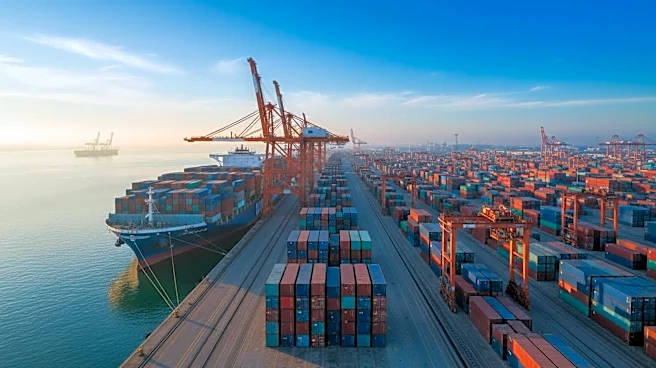
The report highlights that the value of food and agricultural trade has increased fivefold since 2000, reaching approximately $2 trillion. It emphasizes the importance of international cooperation and policy coordination in mitigating the impact of shocks such as extreme weather events, economic crises, and geopolitical tensions. The report notes that during the COVID-19 pandemic, fewer and shorter export restrictions were imposed, which helped mitigate food insecurity risks. The FAO underscores the need for well-functioning trade networks and greater trust in the multilateral trading system to enhance resilience.
Why It's Important?
The findings of the SOCO 2026 report are significant as they underscore the critical role of international cooperation and policy frameworks in maintaining global food security. The report suggests that countries with strong trade networks are better equipped to handle disruptions, which is crucial for low-income, net food-importing countries that are particularly vulnerable to food price spikes. The FAO's advocacy for fewer export restrictions during crises highlights the potential for policy choices to significantly impact global food security. The report's insights into the dynamics of food market shocks can inform policymakers and stakeholders in crafting strategies to enhance resilience and stability in the global food supply chain.
What's Next?
The report suggests that continued international cooperation and policy coordination are essential to strengthening the resilience of global food markets. Policymakers are encouraged to focus on building robust trade networks and reducing export restrictions to mitigate the impact of future shocks. The FAO's findings may prompt discussions among international bodies and governments on how to implement these recommendations effectively. Additionally, the report's emphasis on the importance of maintaining emergency food reserves integrated into social protection systems could lead to policy shifts aimed at enhancing food security without distorting markets.