


What's Happening?
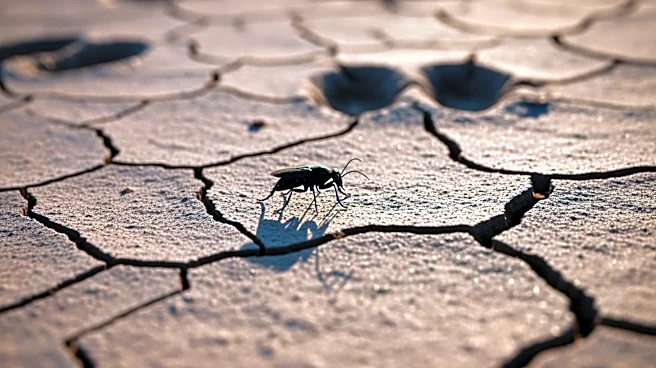
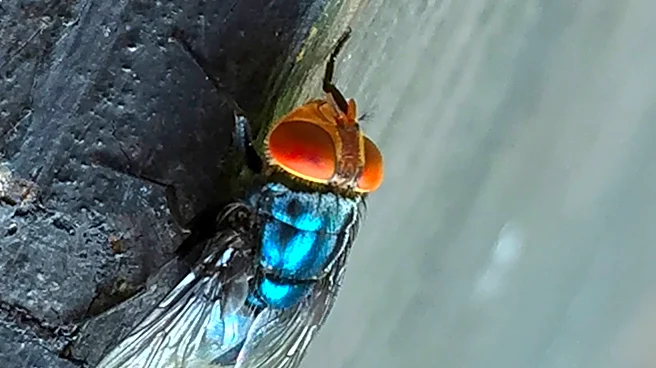
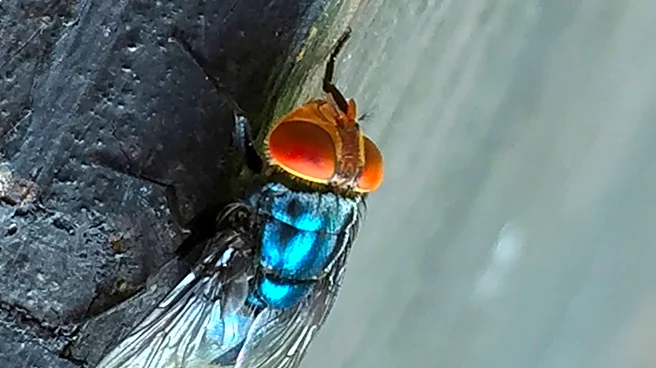
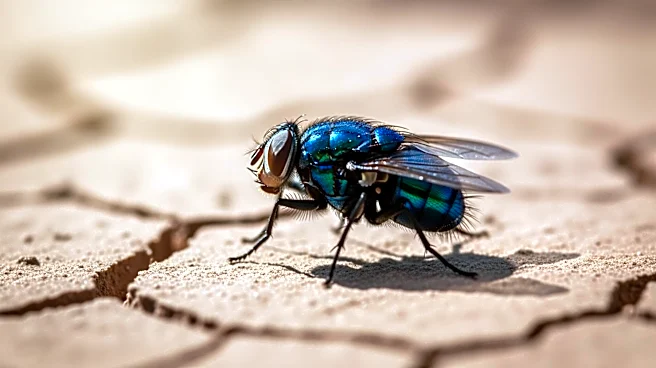
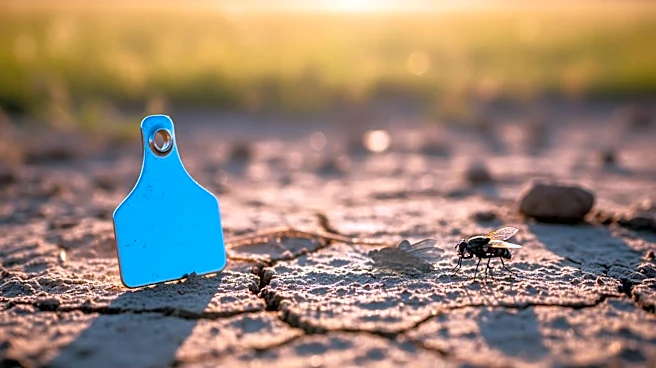
The U.S. Department of Agriculture has confirmed the presence of New World Screwworm in a calf in Zavala County, Texas. This parasitic fly poses a significant threat to livestock, wildlife, and potentially humans, as its larvae feed on living tissue.
The confirmation has prompted federal and state animal health officials to develop response protocols to manage and contain the outbreak. Screwworm infestations can lead to severe health issues in affected animals, necessitating rapid detection and intervention to prevent widespread impact.
Why It's Important?
The detection of screwworm in the United States is a serious concern for the agricultural sector, as it could disrupt livestock movement and trade, increase veterinary costs, and impact the national economy. The potential for widespread infestation underscores the need for effective surveillance and response strategies. The situation also highlights the importance of biosecurity measures and the role of federal and state agencies in safeguarding animal health. The equestrian community, in particular, must remain vigilant, as horses are susceptible to screwworm infestations.
What's Next?
Federal and state officials are finalizing protocols to address the screwworm incursion, which may include quarantine measures and movement restrictions in affected areas. The equestrian community is advised to stay informed through state veterinarian websites and follow guidance on preventing and managing screwworm infestations. The U.S. Equestrian Federation is collaborating with states to develop a response plan to ensure safe competition environments. Ongoing monitoring and public awareness campaigns will be crucial in preventing further spread.