




What's Happening?
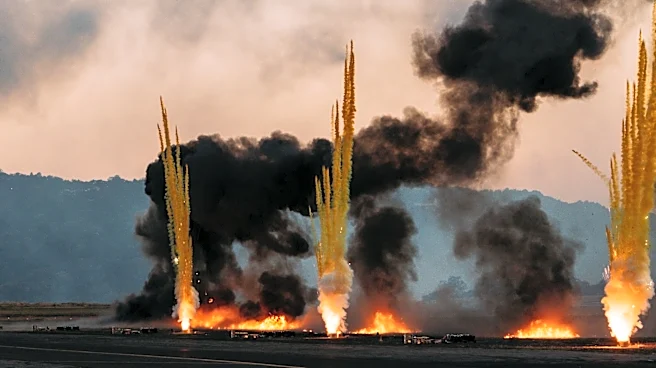
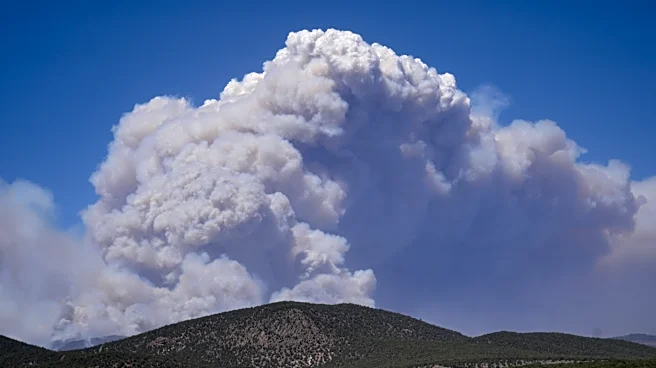
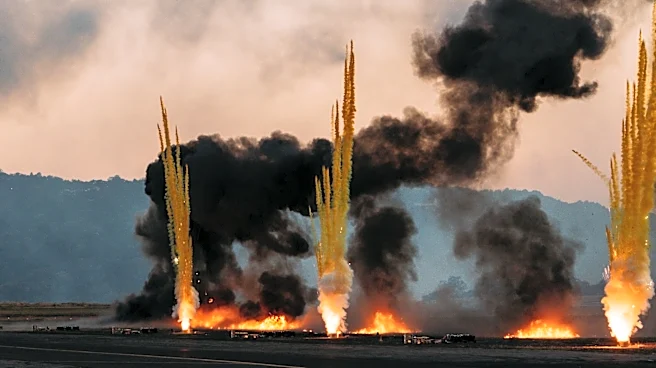
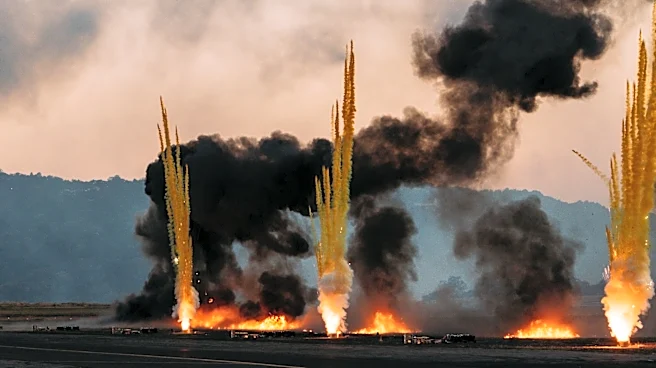
Utah is experiencing one of its most severe wildfire seasons, prompting state officials to impose a ban on Fourth of July fireworks. Governor Spencer Cox announced the decision, citing unprecedented fire behavior and a historic drought that have stretched
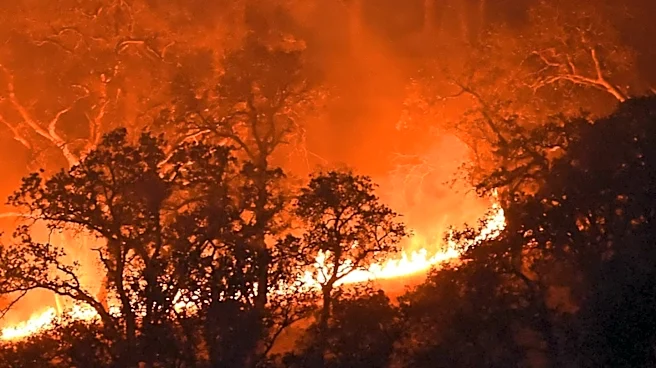
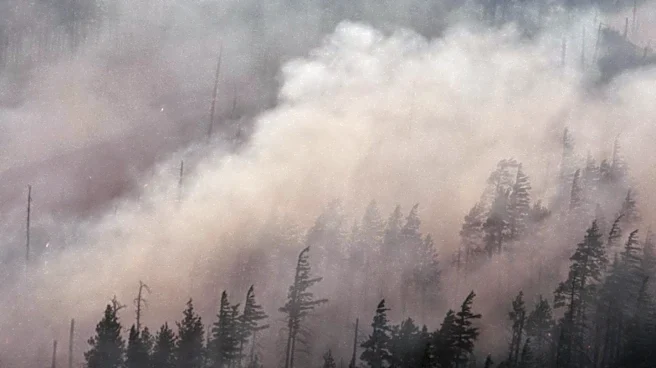
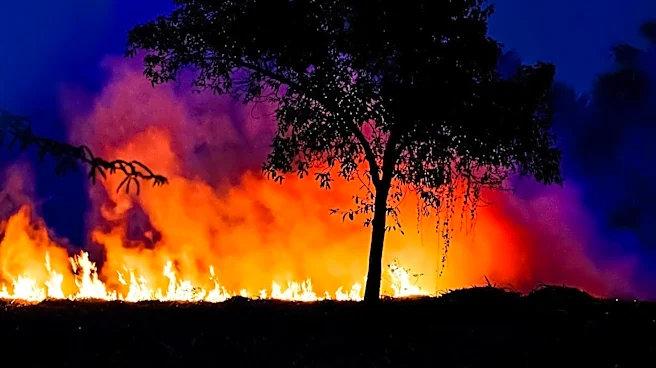
firefighting resources. More than three-quarters of the wildfires have been human-caused, and the National Weather Service has issued an 'extremely critical' fire weather risk across Utah and neighboring states. The Cottonwood Fire, the largest active blaze, remains uncontained, threatening communities and cherished landmarks.
Why It's Important?
The fireworks ban underscores the severity of the wildfire threat in Utah, highlighting the need for preventive measures to protect lives and property. The decision reflects broader concerns about climate change and its impact on fire behavior, as well as the strain on emergency services. The economic and emotional toll on affected communities is significant, with residents mourning the loss of homes and natural landscapes. The situation also raises questions about land management practices and the role of human activity in exacerbating fire risks.
What's Next?
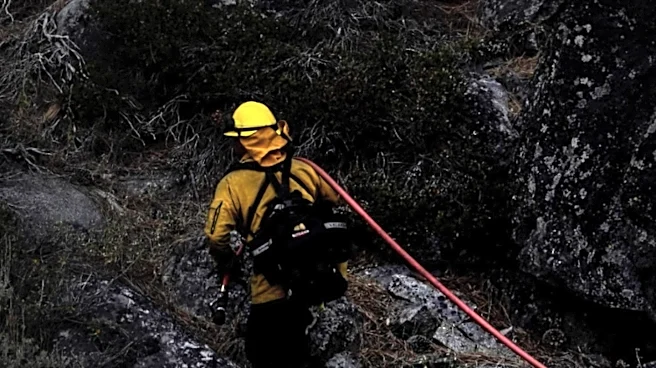
Firefighting efforts will continue as crews work to contain the Cottonwood Fire and other active blazes. The state will assess the damage and explore long-term strategies to mitigate wildfire risks, including potential changes to land use policies and fire prevention measures. Local leaders may designate specific areas where fireworks can be safely used, balancing public safety with traditional celebrations. The ongoing drought and volatile weather conditions will remain a concern, requiring coordinated efforts to address the underlying causes of increased fire activity.