




What's Happening?
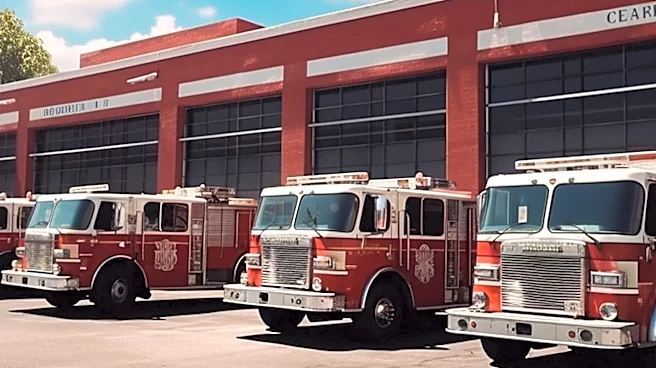
The Joplin Fire Department has been awarded an $800,000 Staffing for Adequate Fire and Emergency Response (SAFER) grant from the Federal Emergency Management Agency (FEMA). This federal funding, combined with a $500,000 contribution from the City of Joplin,
totals $1.3 million. This sum is designated to cover the salaries of six new firefighters for their first three years of employment. The SAFER grants, established by the Department of Homeland Security in 2005, aim to help fire departments and volunteer firefighter organizations increase or maintain their number of trained, front-line firefighters. This marks the first time the Joplin Fire Department has received this specific award from FEMA. Deputy Fire Chief Andy Nimmo stated that the department's grant application demonstrated a clear need for additional staffing, a plan for perpetual funding of these positions, and how the new hires would substantially improve response capabilities. Joplin firefighters currently face mandatory overtime due to high call volumes and service expectations.
Why It's Important?
This federal grant is crucial for the Joplin Fire Department as it directly addresses staffing shortages and aims to improve the work-life balance of existing firefighters by reducing mandatory overtime. The addition of six new firefighters will enhance the department's capacity to respond to emergencies, thereby improving public safety and fire prevention services for the community. City Manager Nick Edwards highlighted that the grant is a significant win, enabling the department to be better staffed and more focused on citizen needs. Furthermore, the grant accelerates the use of funds generated by Proposition Police and Fire, which was approved by Joplin voters to support police and fire personnel. While Proposition B initially focused on retirement pensions, the new grant allows for earlier allocation of subsequent tax revenue towards salary increases and staff upsizing, positively impacting recruitment and retention efforts within the department. This initiative ensures that the growing call volume and community expansion are met with adequate emergency services.
What's Next?
The Joplin Fire Department will proceed with hiring six new firefighters, with their salaries secured for the initial three years through the combined federal grant and city contribution. This immediate staffing increase is expected to alleviate the burden of mandatory overtime on current personnel and improve overall departmental efficiency. Following the initial three-year period, the funding generated through Proposition Police and Fire is anticipated to cover the ongoing salaries of these new positions, ensuring their long-term sustainability. This will also allow the department to continue its focus on recruitment and retention efforts, making the fire service a more attractive career path in Joplin. The successful acquisition of this grant may also encourage the department to pursue similar federal funding opportunities in the future to further enhance its capabilities and service to the community.
Beyond the Headlines
The successful acquisition of the SAFER grant by the Joplin Fire Department underscores a broader national trend where local emergency services increasingly rely on federal funding to meet growing operational demands and address staffing challenges. This reliance highlights the financial pressures faced by municipalities in maintaining essential public services, particularly in areas experiencing population growth or increased call volumes. The grant's focus on reducing mandatory overtime also touches upon the critical issue of firefighter well-being and mental health, recognizing that excessive hours can lead to burnout and impact service quality. Moreover, the integration of local voter-approved propositions with federal grants demonstrates a multi-layered approach to funding public safety, reflecting a community's commitment to its first responders and the strategic efforts by city officials to leverage all available resources. This model could serve as a blueprint for other communities facing similar challenges in bolstering their emergency services.