







What's Happening?
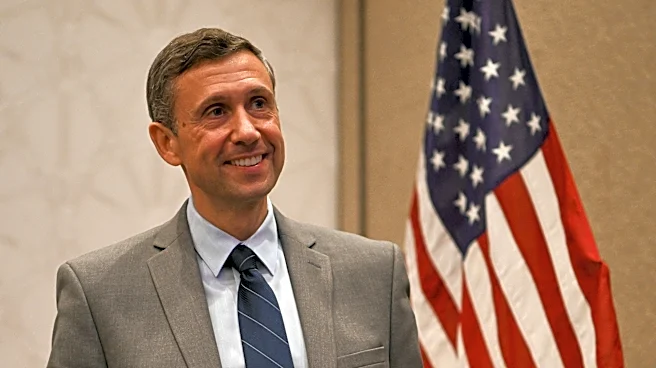
Nevada Governor Joe Lombardo has issued an official order for flags at the Nevada State Capitol and all state public buildings and grounds to be lowered to half-staff. This solemn tribute will take place from sunrise to sunset on Monday, August 17, 2026,
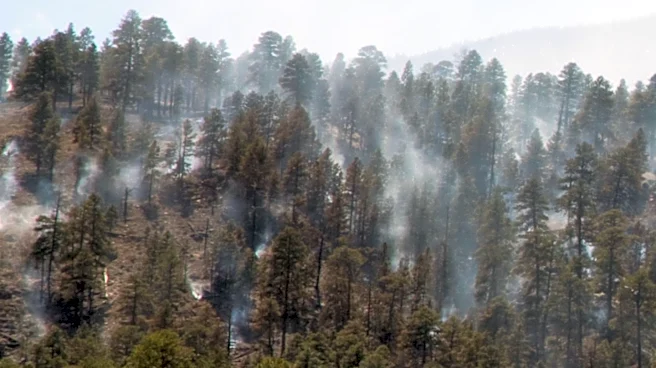
in honor of Christopher V. Andersen, a U.S. Forest Service-contracted helitack aerial firefighting pilot. Andersen tragically died on August 7 while actively supporting aerial firefighting operations on the Widemouth 2 Fire, located near Three Creeks Reservoir in Fishlake National Forest, Utah. Governor Lombardo's directive was made at the specific request of Andersen’s family, underscoring the personal nature of this loss. In his public statement, Governor Lombardo lauded Andersen's extensive and distinguished career, highlighting his more than four decades dedicated to aviation and public service. This included a significant period as a helicopter pilot in the U.S. Army, followed by his crucial work as a helitack pilot, protecting communities across the United States and internationally from the ravages of wildfires. Andersen, who made his home near Lake Tahoe, was widely respected by his fellow aviators for his exceptional skill, leadership, and professionalism in a highly demanding field.
Why It's Important?
The lowering of flags to half-staff is a deeply symbolic gesture of respect, mourning, and collective remembrance, serving to underscore the profound sacrifice made by individuals like Christopher V. Andersen in the line of public service. This official act by Governor Lombardo brings critical attention to the inherent dangers and immense courage required of aerial firefighters and other first responders who tirelessly protect communities from devastating natural disasters. Andersen's remarkable dedication, spanning over four decades from his military service to his civilian firefighting career, exemplifies an extraordinary commitment to public safety and the protection of both human lives and natural environments. His tragic death, occurring during active and critical firefighting operations, serves as a stark reminder of the ongoing challenges associated with wildfire management, particularly in the American West, and the indispensable role played by highly specialized personnel and advanced equipment. The tribute not only honors his individual memory but also acknowledges the collective risks undertaken by all those who work to mitigate the destructive impact of wildfires, ensuring their contributions are recognized and valued by the state and its citizens.
What's Next?
The ceremonial lowering of flags on August 17, 2026, will serve as a poignant public acknowledgment of Christopher V. Andersen's dedicated service and ultimate sacrifice. While this immediate action is primarily ceremonial, the incident itself may prompt broader discussions and potential reviews within firefighting agencies concerning aerial operation safety protocols, especially in light of the increasing intensity and frequency of wildfires across the Western United States. Federal and state entities, including the U.S. Forest Service, are likely to conduct thorough investigations into the circumstances surrounding Andersen's death to identify any contributing factors and implement necessary preventative measures to enhance safety for future missions. For the wider community, this event reinforces the critical importance of supporting firefighting efforts and recognizing the unwavering bravery of those who serve on the front lines. The legacy of Andersen's contributions will undoubtedly be preserved through various forms of remembrance by his family, his colleagues in the aviation and firefighting communities, and the state of Nevada, ensuring his courage is not forgotten.
Beyond the Headlines
Christopher V. Andersen's distinguished career trajectory, evolving from a U.S. Army helicopter pilot during the Cold War to a highly skilled helitack pilot, vividly illustrates a lifelong commitment to high-stakes aviation and dedicated public service. His significant role as a chief pilot and mentor in the Lake Tahoe area suggests a profound impact not only on direct firefighting operations but also on the professional development and operational standards of the next generation of aerial firefighters. This tragic incident brings into sharp focus the often-overlooked human element in large-scale disaster response, where highly skilled individuals operate complex and specialized machinery under extremely dangerous and dynamic conditions. In the broader context of escalating wildfire activity across the Western U.S., largely attributed to changing climate patterns, the demand for and reliance on sophisticated helitack operations will undoubtedly continue to grow. This makes the safety and well-being of these essential pilots an ever-more critical concern for national and state agencies responsible for emergency management and environmental protection.