






What's Happening?
The European Commission has convened senior officials from EU member states and international partners to address weaknesses in the enforcement of sanctions against Russia. This meeting, held in Brussels on November 5th, focused on closing loopholes and tackling
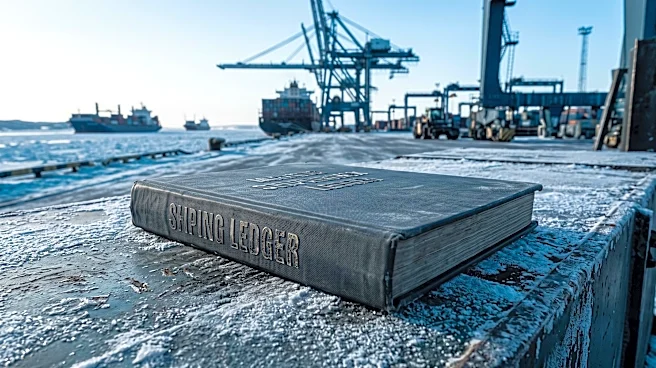
circumvention, particularly concerning cryptocurrency transactions, foreign payment networks, military procurement, and Russia's 'shadow fleet' of oil tankers. The EU's 21st sanctions package, adopted in July 2026, expanded prohibitions to 33 Russian financial institutions, four banks in third countries, and 14 cryptocurrency service platforms outside the EU. It also added 41 vessels to European restrictions, bringing the total to over 670. The Commission aims to trace commercial relationships underlying prohibited activity, recognizing that imposing economic restrictions is easier than preventing determined actors from circumventing them.
Why It's Important?
This intensified focus on sanctions enforcement by the EU is highly significant for the U.S., as both entities share common goals in pressuring Russia through economic means. The U.S. has also been actively targeting Russia's financial networks and shadow fleet, and the EU's efforts to strengthen enforcement directly complement these actions. The discussions on cryptocurrency transactions and foreign payment networks are particularly relevant, as these are common avenues for sanctions evasion that impact global financial stability. By addressing these loopholes, the EU helps to ensure that U.S. sanctions are not undermined by circumvention through European or other international channels. The shared concern over aging vessels in the shadow fleet also aligns with U.S. interests in maritime safety and environmental protection, as these ships pose risks beyond sanctions compliance.
What's Next?
The EU's renewed emphasis on enforcement suggests a future with more rigorous scrutiny of financial intermediaries, shipping companies, and third-country entities involved in facilitating Russian sanctions evasion. This will likely lead to increased demands on compliance departments in banks and multinational companies to investigate ownership structures, payment routes, and the actual recipients of goods and services. The EU's efforts to make circumvention more difficult and detectable will require greater cooperation with flag states, insurers, shipping companies, and authorities in major trading centers. This could also lead to more joint international operations with partners like the U.S. to disrupt these complex evasion networks. The Commission's immediate objective is to prevent prohibited goods, money, and services from reaching their intended destinations through alternative channels.
Beyond the Headlines
The shift from merely imposing sanctions to actively enforcing them against sophisticated evasion networks highlights a critical evolution in international economic warfare. The increasing complexity of these networks, which utilize shell companies, cross-border structures, and alternative payment systems like cryptocurrency, presents a formidable challenge. This development underscores the need for a holistic approach that combines financial intelligence, corporate records, and shipping data to identify and disrupt illicit activities. The focus on the 'shadow fleet' also brings to light broader concerns about maritime safety, environmental risks, and the integrity of global shipping, as these vessels often operate with uncertain insurance coverage and questionable maintenance. This ongoing economic contest is measured over years, and its outcome will depend on the ability of international partners to adapt and innovate in their enforcement strategies.