




What's Happening?
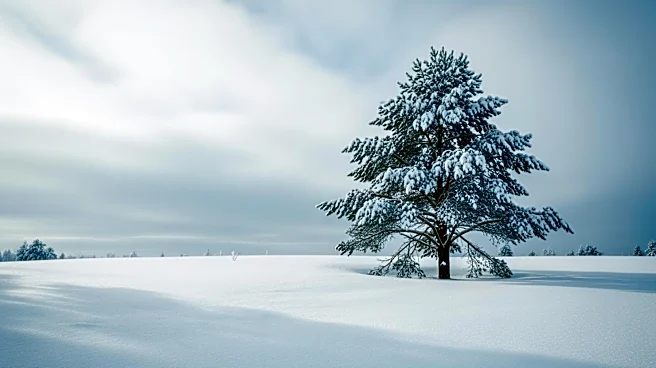
The National Weather Service (NWS) has issued multiple winter weather advisories across Washington, Oregon, and Montana due to an impending late-season snowstorm. The storm is expected to bring significant snowfall to higher elevations, with some areas
potentially receiving up to a foot or more of snow. The advisories highlight the risk of hazardous travel conditions, particularly in mountain passes where snow accumulation could make roads slippery and visibility poor. The NWS has urged drivers to check road conditions before traveling and to be prepared for rapidly changing weather. The snowstorm is not considered extreme by mid-season standards, but its occurrence in mid-May could catch some off guard, increasing the risk of hypothermia in backcountry areas.
Why It's Important?
This late-season snowstorm poses significant challenges for transportation and outdoor activities in the affected regions. The timing of the storm, occurring in mid-May, is unusual and could lead to unexpected disruptions for residents and travelers. The potential for hypothermia is a serious concern, especially for those unprepared for winter-like conditions. The storm could impact local economies, particularly those reliant on tourism and outdoor recreation, as it may deter visitors and disrupt planned activities. Additionally, the storm serves as a reminder of the unpredictable nature of weather patterns, which can have broader implications for emergency preparedness and infrastructure resilience.
What's Next?
As the snowstorm progresses, local authorities and the NWS will continue to monitor conditions and update advisories as necessary. Residents and travelers in the affected areas are advised to stay informed about weather updates and to take precautions to ensure their safety. The storm's impact on transportation and outdoor activities will be closely watched, and any significant disruptions could prompt further responses from local governments and emergency services. The potential for hypothermia and other weather-related hazards will remain a concern until conditions stabilize.