


What's Happening?
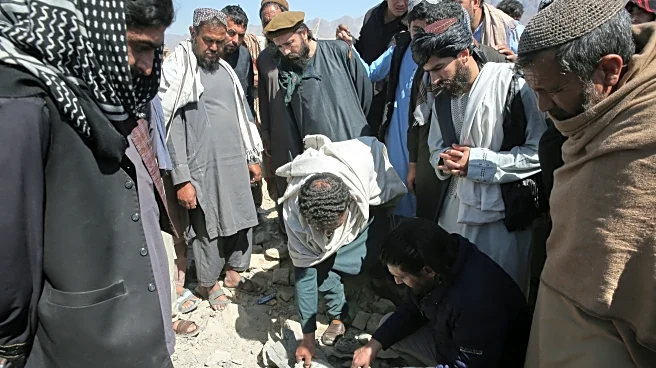
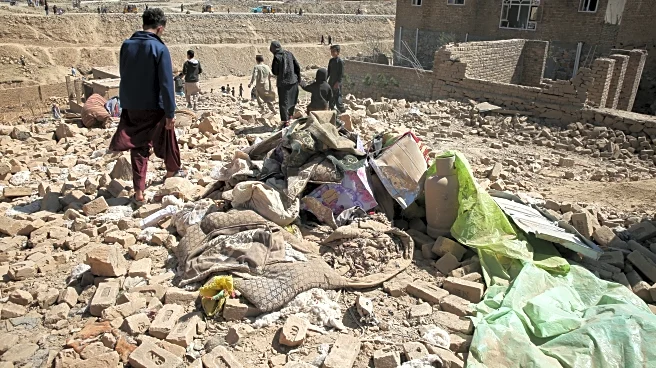
Afghanistan has accused Pakistan of conducting an airstrike on a hospital in Kabul, resulting in the deaths of at least 400 people. The attack targeted a facility treating drug users and marked a significant escalation in the ongoing conflict between
the two nations. Afghan officials reported that the strike destroyed large sections of the 2,000-bed hospital and injured approximately 250 individuals. The incident follows weeks of cross-border clashes and airstrikes, with both countries exchanging accusations of targeting civilian sites. Pakistan has denied the allegations, stating that its military operations were aimed at military installations and terrorist infrastructure, ensuring no civilian sites were hit. The United Nations has called for Afghanistan to intensify efforts to combat terrorism, amid accusations from Pakistan that Afghanistan harbors militant groups responsible for attacks within Pakistan.
Why It's Important?
The airstrike and subsequent accusations highlight the deteriorating relations between Afghanistan and Pakistan, two countries with a history of conflict. The escalation poses a threat to regional stability, with potential implications for international security, given the presence of other militant groups in the area. The incident underscores the challenges faced by Afghanistan's Taliban government in maintaining control and addressing terrorism, while Pakistan's security concerns remain unresolved. The international community, particularly neighboring countries, may face increased pressure to mediate and prevent further escalation. The humanitarian impact is significant, with hundreds of casualties and potential displacement of civilians, exacerbating the already fragile situation in Afghanistan.
What's Next?
The conflict is likely to draw further international attention, with potential diplomatic interventions aimed at de-escalating tensions. Both Afghanistan and Pakistan may face increased scrutiny from global organizations and neighboring countries. The United Nations and other international bodies may push for renewed peace talks or ceasefire agreements. The situation could also influence U.S. foreign policy in the region, particularly regarding counter-terrorism efforts and humanitarian aid. The ongoing conflict may lead to further military engagements, with both countries potentially increasing their defense postures along the border.