





What's Happening?
In June 2026, U.S. museums are prominently featuring Native and Black artists as part of their programming, coinciding with the 250th anniversary of the signing of the Declaration of Independence. This focus is evident in exhibitions across the country,
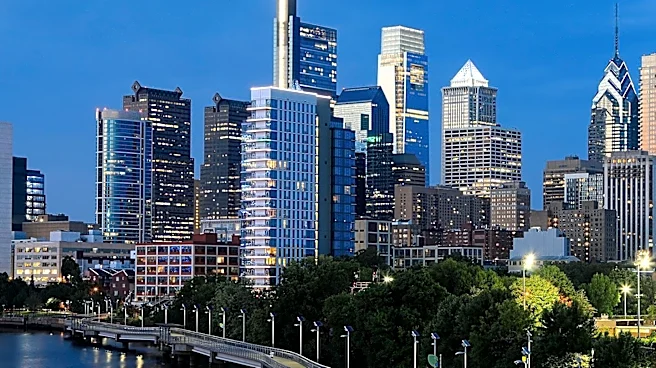
highlighting artists like Jeffrey Gibson, Sky Hopinka, and Carrie Mae Weems. Gibson, for instance, is celebrated for his exhibition 'They Teach Love' at the Boise Art Museum, which is part of the America 250 celebrations. Similarly, Sky Hopinka's work is showcased in 'Red Metal Dust' at the Barnes Foundation in Philadelphia, reflecting on U.S. history. The emphasis on these artists aligns with ongoing efforts to address historical narratives of racism and colonialism, amplifying voices that have been historically marginalized.
Why It's Important?
The focus on Native and Black artists during the America 250 celebrations underscores a significant shift in how U.S. museums are engaging with historical narratives. By spotlighting these artists, museums are not only acknowledging the diverse cultural contributions to American history but also addressing past exclusions. This approach can influence public perception and understanding of American history, promoting a more inclusive narrative. For the artists, this visibility can lead to increased recognition and opportunities within the art world, potentially impacting their careers and the broader art market. Additionally, these exhibitions can inspire dialogue and reflection among audiences, fostering a deeper appreciation for the complexities of American identity.
What's Next?
As the America 250 celebrations continue, it is likely that museums will maintain their focus on diverse narratives, potentially expanding their programming to include more underrepresented voices. This could lead to long-term changes in how museums curate their collections and engage with communities. Stakeholders such as museum curators, artists, and cultural organizations may collaborate to develop new initiatives that further explore these themes. Additionally, the success of these exhibitions could encourage other institutions to adopt similar approaches, contributing to a broader cultural shift towards inclusivity in the arts.
Beyond the Headlines
The emphasis on Native and Black artists during these celebrations also raises questions about the role of museums in shaping cultural memory and identity. By choosing to highlight these narratives, museums are actively participating in the redefinition of American history. This move can have ethical implications, as it challenges traditional power dynamics within the art world and society at large. Furthermore, it may prompt discussions about the responsibilities of cultural institutions in addressing historical injustices and promoting social change.