
What's Happening?
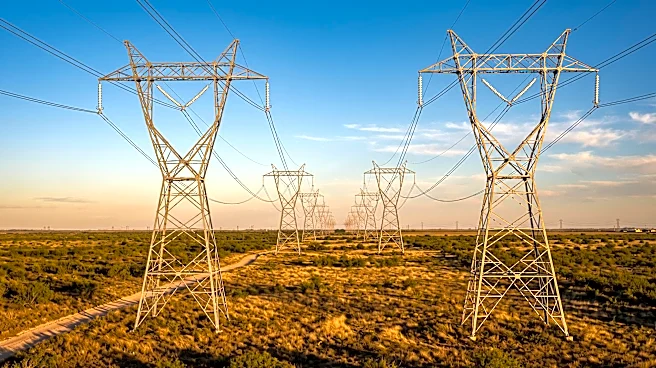
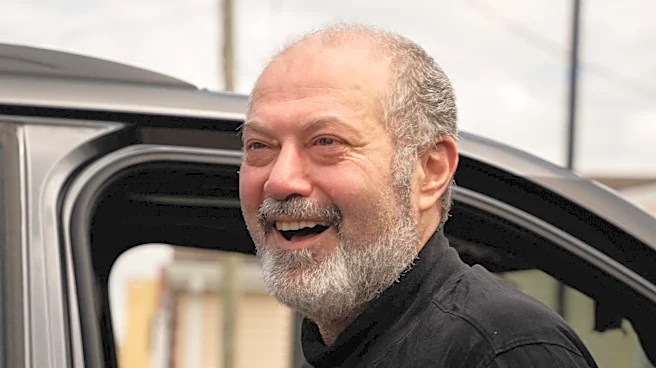
Republican candidate for governor, Tom Tiffany, has voiced strong opposition to a proposed electric rate hike by Wisconsin Public Service. Tiffany called for a thorough examination of the utility's profit
margins and asserted that the Public Service Commission is not adequately serving the public interest. He emphasized the need for reliable energy sources, specifically advocating for the continued use of nuclear power and coal. Tiffany also criticized his Democratic opponent for supporting a net-zero carbon emissions plan, arguing that such policies contribute to higher energy costs. His stance aligns with his broader pro-business policies, which have garnered him a small business endorsement. This development comes as affordability and the cost of living remain top concerns for Wisconsin voters, with both gubernatorial candidates presenting their plans to address these issues.
Why It's Important?
This issue is significant for Wisconsin residents and businesses, as energy costs directly impact household budgets and operational expenses. Tiffany's call for scrutiny of utility profit margins and his advocacy for traditional energy sources like nuclear and coal highlight a fundamental debate in energy policy: balancing affordability and reliability with environmental concerns. If elected, his policies could lead to a different energy landscape in Wisconsin, potentially favoring established power generation methods over renewable alternatives. This could have long-term implications for the state's energy mix, its carbon footprint, and its economic competitiveness. The debate also underscores the role of regulatory bodies like the Public Service Commission in ensuring fair utility rates and reliable service, making their composition and oversight a critical political battleground.
What's Next?
As the gubernatorial election approaches, the debate over energy policy and utility costs is expected to intensify. Voters will likely hear more from both candidates regarding their specific plans to address affordability and energy reliability. The Public Service Commission will continue its review of the proposed electric rate hike, and its decision will be closely watched by consumers, businesses, and political figures. Depending on the election outcome, Wisconsin could see a shift in its energy strategy, with potential legislative actions to either promote more renewable energy or reinforce traditional power sources. The ongoing discussion will also likely influence public perception of different energy technologies and the role of government in regulating utility services.
Beyond the Headlines
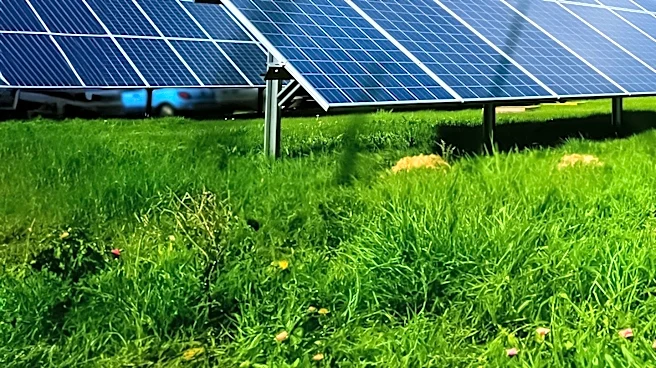
The discussion surrounding energy policy in Wisconsin, particularly Tiffany's emphasis on nuclear and coal, touches upon broader national conversations about energy independence, grid stability, and the transition to cleaner energy. While environmental advocates often push for rapid decarbonization, concerns about energy security and affordability, especially in regions with harsh winters, often lead to calls for maintaining a diverse energy portfolio that includes fossil fuels and nuclear power. This debate also highlights the tension between state-level energy policies and federal climate goals. The outcome in Wisconsin could serve as a case study for other states grappling with similar challenges, influencing how they balance economic concerns with environmental aspirations and the role of regulatory bodies in shaping energy futures.