






What's Happening?
The latest ECMWF model forecast indicates a high likelihood of a super El Niño event occurring this year, which could have significant global climate impacts lasting into 2027. A super El Niño involves dramatic ocean warming in the equatorial Pacific,
leading to widespread changes in weather patterns. This phenomenon could result in hotter-than-average summers in the Western United States, increased droughts in tropical regions, and altered hurricane activity. The potential super El Niño could push global temperatures to record levels, particularly in 2027, and affect agricultural production due to changing weather patterns.
Why It's Important?
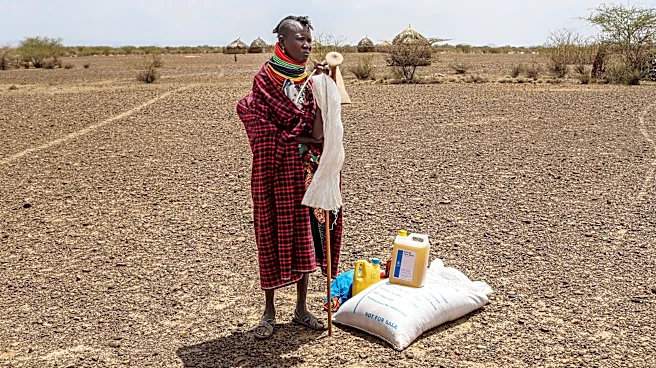
A super El Niño event could have profound effects on global climate, influencing weather patterns across multiple continents. In the United States, it could lead to increased heat waves and altered precipitation patterns, impacting agriculture and water resources. Globally, regions such as Africa, India, and the Caribbean could experience severe droughts, affecting food security and economic stability. The event could also contribute to new global temperature records, exacerbating the impacts of climate change and challenging efforts to mitigate its effects.
What's Next?
As the likelihood of a super El Niño increases, governments and organizations may need to prepare for its potential impacts. This includes developing strategies to manage water resources, support affected agricultural sectors, and mitigate the effects of extreme weather events. Monitoring and forecasting efforts will be crucial in providing timely information to stakeholders, enabling them to adapt to changing conditions. The event could also prompt discussions on climate change policies and the need for international cooperation to address its global impacts.