





What's Happening?
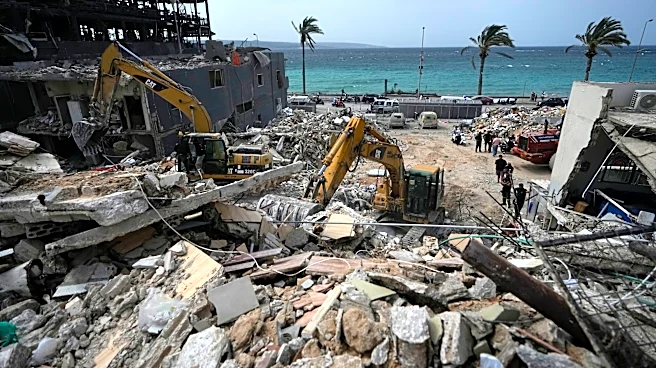
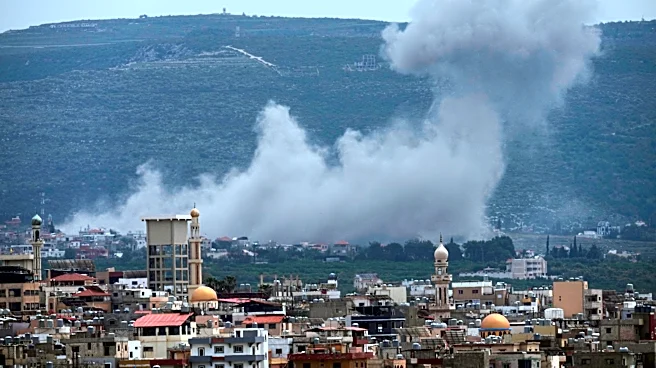
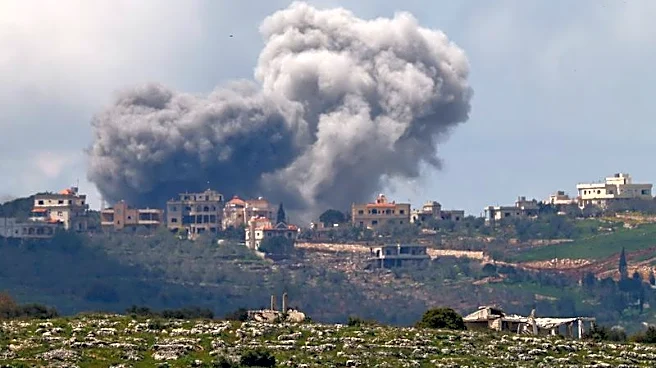
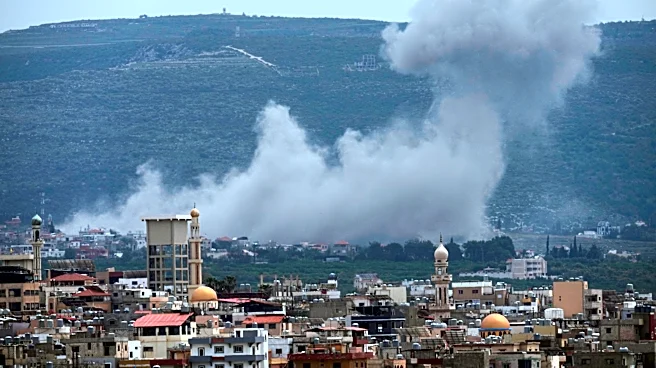
A 10-day ceasefire between Israel and Lebanon has been implemented, halting over a month of hostilities. This truce, enforced by the United States, comes amidst ongoing tensions in the region, including a stable armistice in Gaza and a truce with Iran
as negotiations continue between Tehran and Washington. The ceasefire aims to restore a semblance of normalcy, reminiscent of the period before U.S. and Israeli bombers targeted Tehran on February 28. However, the situation remains precarious, with Hezbollah maintaining its military capabilities, including rockets, missiles, and drones, posing a potential threat to northern Israeli communities. The mayor of Kiryat Shmona, Avichai Stern, has announced a protest against the ceasefire, citing security concerns for the city. The truce offers a temporary respite, allowing Jewish organizations to focus on non-crisis activities, such as planning for summer camps and travel programs.
Why It's Important?
The ceasefire holds significant implications for U.S.-Israeli relations and regional stability. It provides a critical pause for Jewish communities to engage in long-term planning and introspection, moving away from crisis management. However, the truce also highlights political shifts in the United States, with 40 Senate Democrats recently voting to block arms sales to Israel, indicating a potential change in U.S. policy towards Israel. This development necessitates a recalibration of strategies by pro-Israel advocates to maintain bipartisan support for military assistance. The ceasefire also risks reigniting internal disputes within Israel, such as those concerning the role of the judiciary and religious practices at the Western Wall, which were previously overshadowed by the conflict.
What's Next?
The future of the ceasefire remains uncertain, with potential for renewed hostilities if underlying issues are not addressed. Jewish organizations may need to navigate evolving U.S. political dynamics to ensure continued support for Israel. Additionally, internal Israeli disputes, including those related to religious practices and judicial roles, are likely to resurface, potentially impacting domestic and international perceptions of Israel. The situation requires careful management to prevent escalation and to foster a sustainable peace.
Beyond the Headlines
The ceasefire presents an opportunity to address long-standing issues within the Jewish community and between Israel and its neighbors. It allows for reflection on the impact of U.S. foreign policy in the region and the need for a nuanced approach to security assistance. The truce also underscores the importance of addressing internal Israeli conflicts, which could influence future peace efforts and international relations. The period of calm may serve as a catalyst for constructive dialogue and policy adjustments.