




What's Happening?
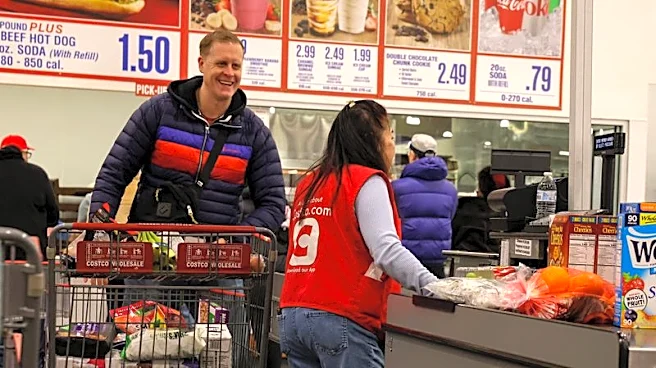
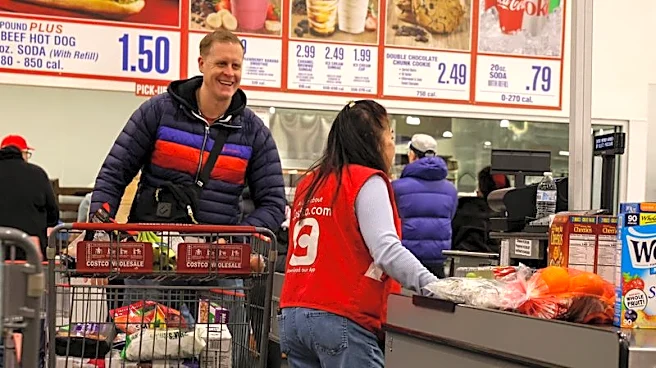
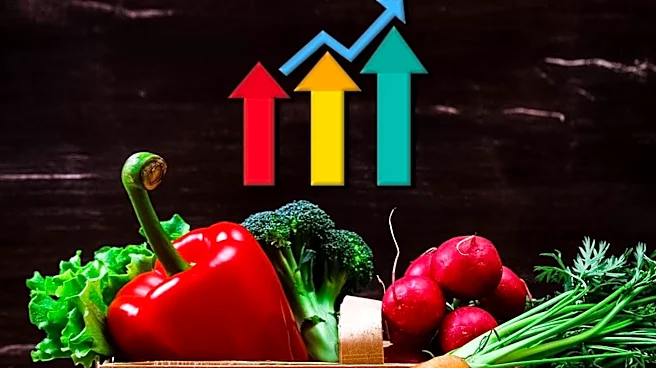
Americans are facing the largest jump in grocery prices in 50 years, with food costs rising by 33% since 2019. This increase is attributed to factors such as the Middle East conflict affecting fuel prices and supply chain disruptions. Consumers are adapting
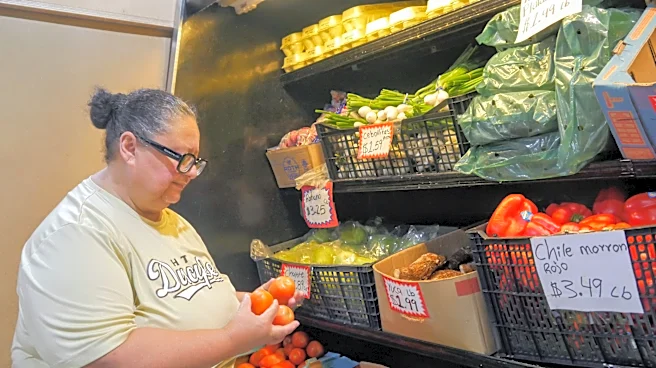
by using coupons, comparison shopping, and cutting back on non-essential items. In urban areas where food inflation exceeds the national average, residents are changing their shopping habits, opting for store brands, and relying on food banks. The rising costs have made affordability a central issue in the upcoming midterm elections.
Why It's Important?
The significant rise in grocery prices is reshaping consumer behavior and impacting household budgets across the U.S. As families adjust to higher costs, there is a growing reliance on cost-saving measures and assistance programs. This trend highlights the economic pressures faced by many Americans and underscores the importance of addressing inflation and its effects on the population. The issue is likely to influence political discourse and policy decisions, as affordability becomes a key concern for voters.