


What's Happening?
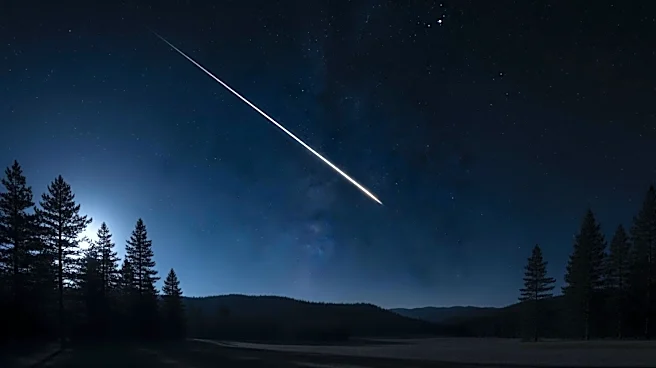
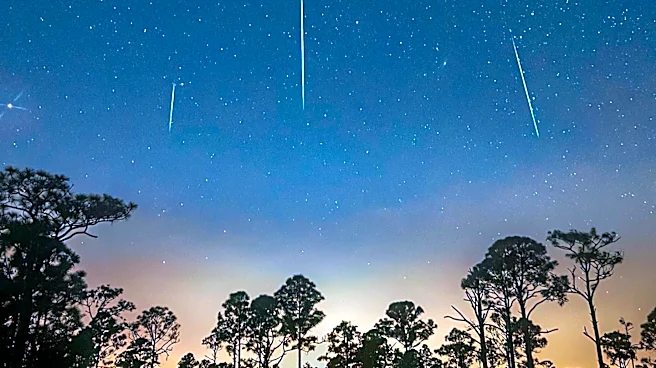
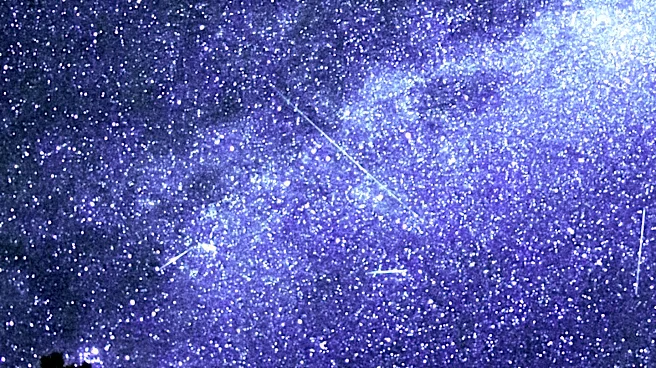
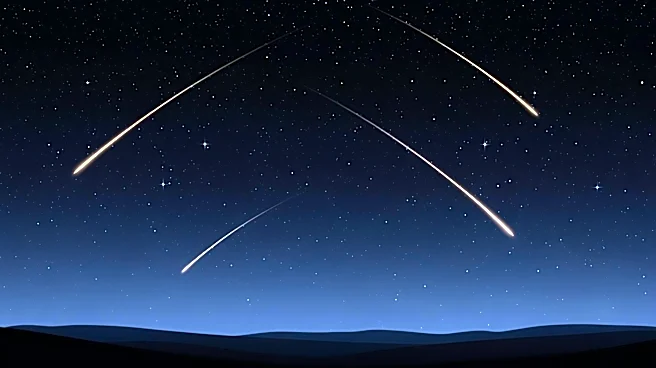
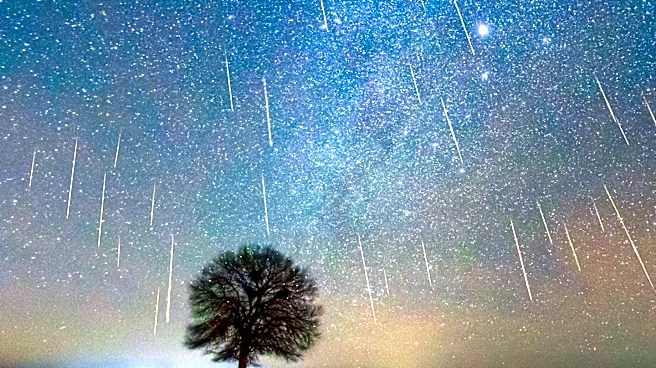
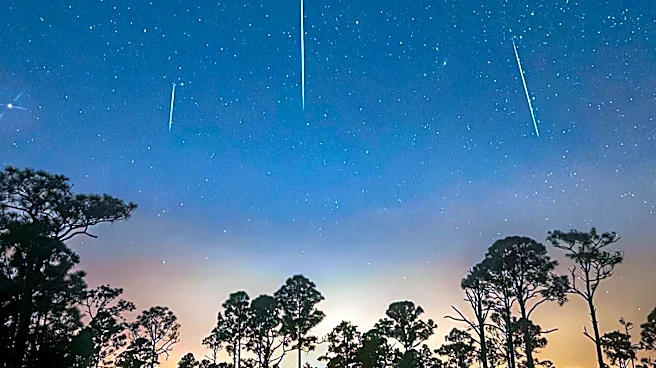
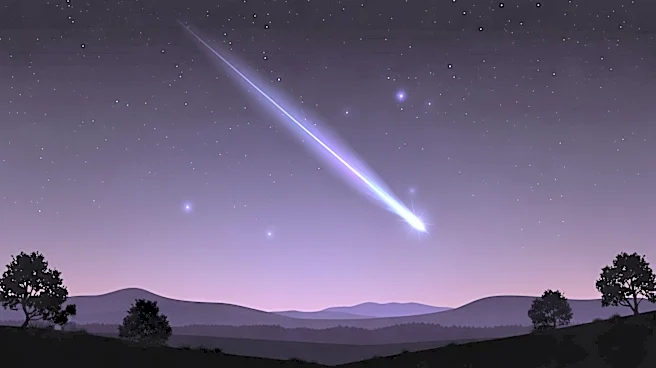
The Lyrid meteor shower, one of the oldest recorded meteor showers, is set to peak on April 22, 2026, offering a spectacular display of 'shooting stars' and bright 'fireballs' in moonless skies. The shower, which runs from April 14 to April 30, will be
most visible during the predawn and post-sunset hours of April 22. The absence of a bright moon will provide optimal viewing conditions, allowing stargazers to witness up to 20 meteors per hour. The Lyrids are caused by debris from Comet C/1861 G1 (Thatcher), which last passed through the inner solar system in 1861.
Why It's Important?
The Lyrid meteor shower provides a unique opportunity for both amateur and professional astronomers to observe celestial phenomena without interference from moonlight. This event not only offers a chance to appreciate the beauty of the night sky but also serves as a reminder of the dynamic nature of our solar system. The Lyrids' visibility in moonless conditions enhances public interest in astronomy and encourages educational activities related to space science. Such events can inspire future generations to pursue careers in science and technology, contributing to advancements in space exploration and research.