




What's Happening?
As colder temperatures approach, older adults are encouraged to proactively manage their health and well-being to prevent cold and flu complications. Maplewood Senior Living emphasizes that while vaccinations are crucial, daily habits like regular physical
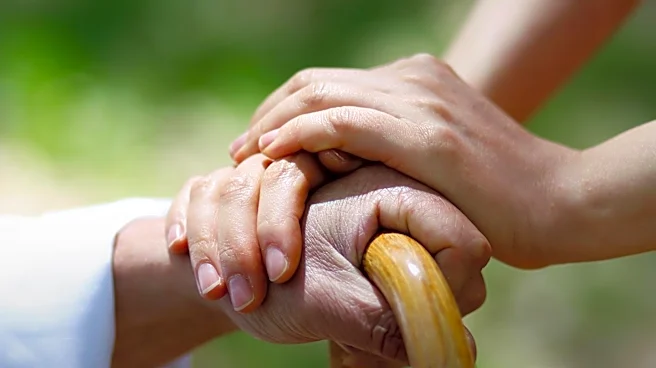
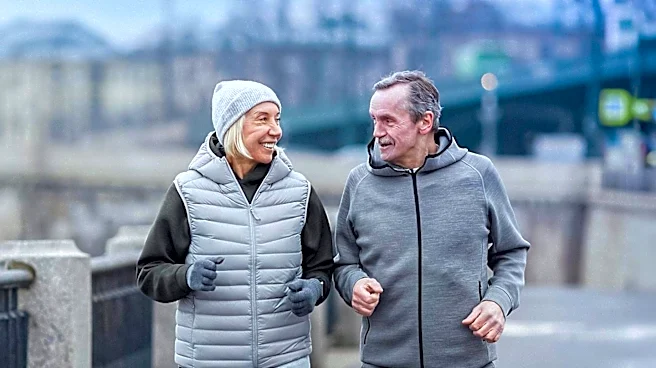
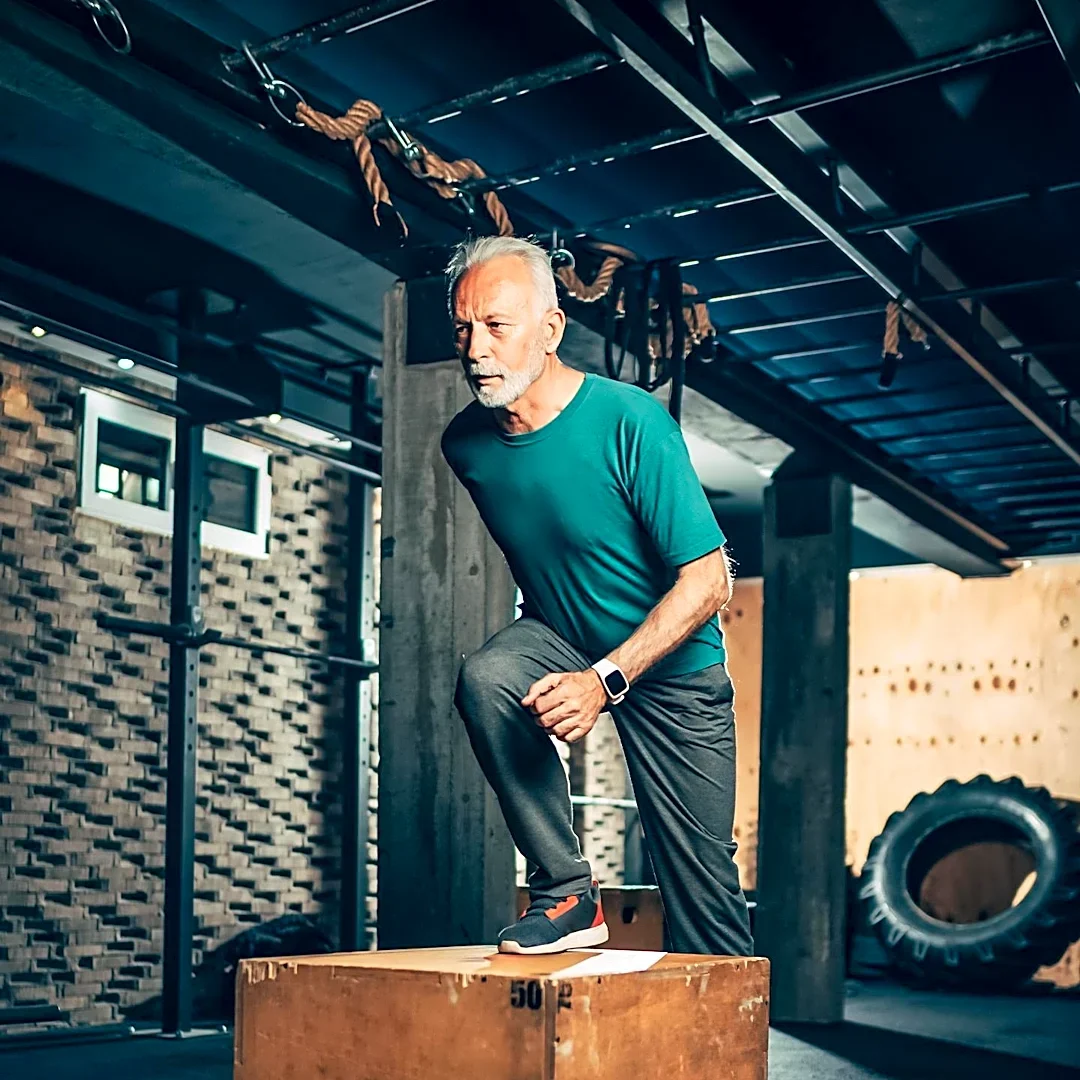
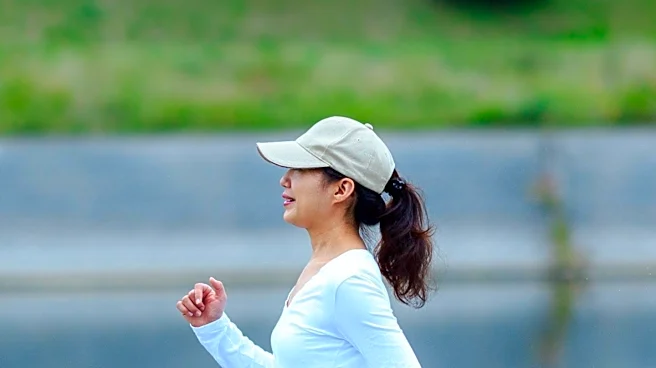
activity, a nutritious diet, and adequate hydration are equally important. Beyond physical health, social wellness is highlighted as a key factor, especially during winter months when shorter days and colder weather can lead to isolation. Engaging in shared meals, exercise, hobbies, educational programs, creative pursuits, and spending time with friends and family are recommended to maintain social connections and overall engagement. For older adults living at home, families are advised to create a comprehensive winter wellness plan that includes medical needs, regular check-ins, reliable transportation, activity opportunities, and severe weather preparedness.
Why It's Important?
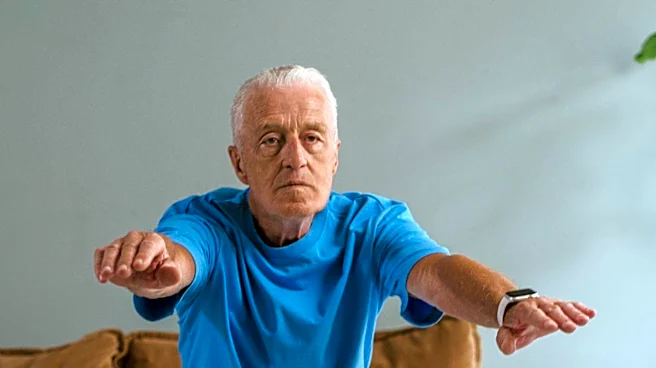
The immune system naturally weakens with age, making older adults more susceptible to severe complications from respiratory illnesses like influenza, COVID-19, and RSV. Many older adults also manage chronic health conditions, further increasing their risk. Therefore, a proactive approach to winter wellness is vital for this demographic. Prioritizing physical activity helps maintain strength, balance, and mobility, while proper nutrition and hydration support immune function. Social engagement is critical for mental and emotional health, as isolation can exacerbate feelings of loneliness and depression during the darker, colder months. By focusing on these aspects, older adults can reduce their risk of illness, maintain their quality of life, and ensure they remain active and connected throughout the winter season, lessening the burden on healthcare systems.
What's Next?
Older adults and their families should review vaccination schedules for flu, COVID-19, RSV, and pneumococcal disease with healthcare providers. They should also ensure routine medical appointments are current and prescriptions are up-to-date. Implementing daily routines that include physical activity, balanced nutrition, and consistent sleep will be crucial. Families of older adults living at home should develop a winter wellness plan that addresses potential challenges such as transportation, social isolation, and severe weather. Communities like Maplewood Senior Living will continue to integrate these wellness elements into daily life and may host vaccine clinics to facilitate access. The focus will be on sustained proactive measures to ensure health and well-being throughout the winter.
Beyond the Headlines
The emphasis on social wellness for older adults during winter underscores a broader societal challenge of combating loneliness and isolation, which can have significant health consequences. Beyond the immediate health benefits, fostering social connections can enhance cognitive function, reduce stress, and improve overall life satisfaction. This approach highlights the interconnectedness of physical and mental health, particularly in an aging population. The recommendations also point to the importance of community support systems and family involvement in ensuring the well-being of older individuals. Addressing these needs proactively can lead to a more resilient and healthier senior population, potentially reducing long-term healthcare costs and improving societal engagement.