




What's Happening?
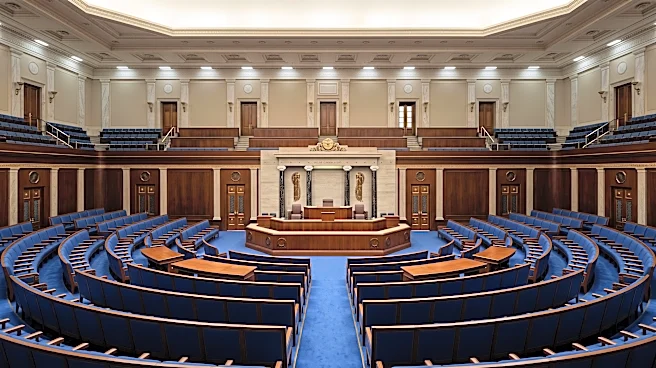
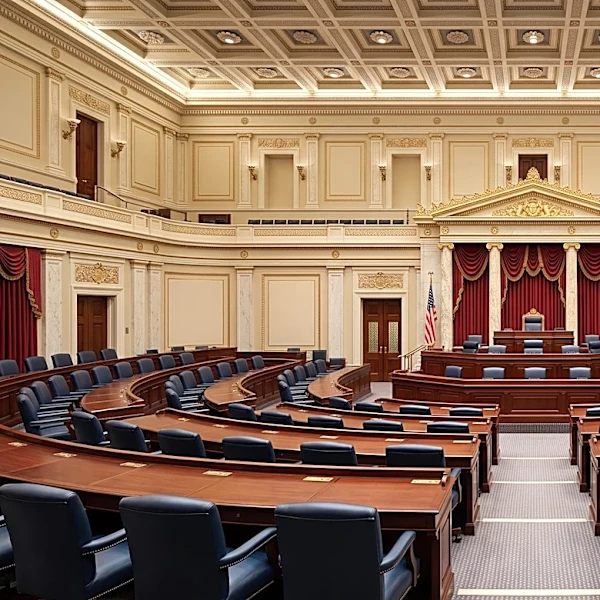
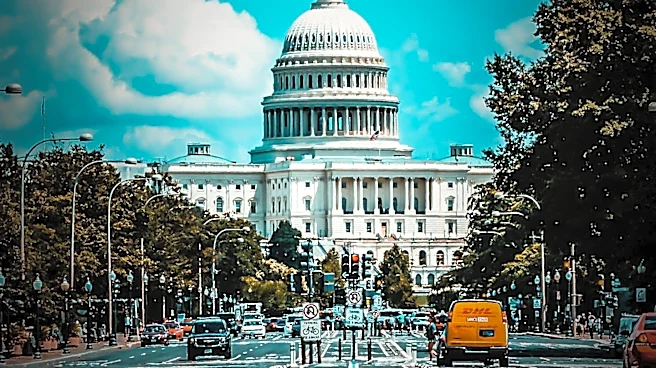
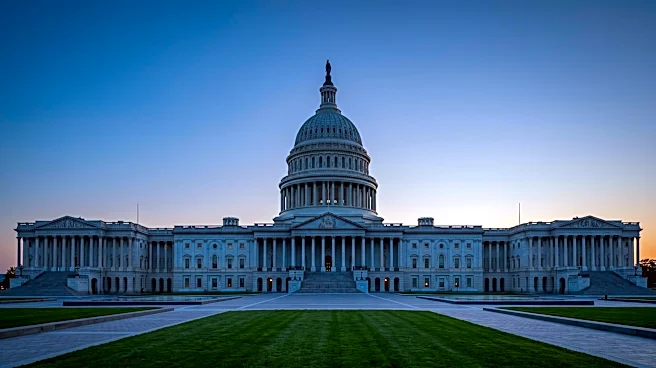
The U.S. House of Representatives has adopted a resolution introduced by Representative Jeff Crank (CO-05) to condemn socialism in all its forms and specifically the Democratic Socialists of America (DSA). The resolution passed with a vote of 220-192.
According to Representative Crank, the resolution aims to reaffirm commitment to the Constitution and stand against what he describes as an 'insidious push for socialism.' He noted that the 'vast majority of Democrats' voted against the resolution, contrasting it with a hypothetical unanimous passage 10-15 years ago. Crank stated that the DSA poses a 'threat to the American values that make our nation great.' The resolution also highlights what it considers 'un-American tenets' of the DSA, including allowing noncitizens and incarcerated individuals to vote in American elections, and reaffirms support for free, fair, and secure elections decided by American citizens.
Why It's Important?
The passage of this resolution signifies a continued ideological battle within U.S. politics, particularly concerning economic and social policy. By formally condemning socialism and the Democratic Socialists of America, the House is drawing a clear line in the sand, emphasizing a commitment to capitalist principles and traditional American values as perceived by its proponents. This action is important as it reflects a growing concern among some lawmakers about the perceived rise of socialist ideas and their influence on the Democratic Party. The resolution's focus on election integrity, specifically regarding voting rights for noncitizens and incarcerated individuals, highlights a contentious area of debate that has significant implications for future electoral processes and the definition of citizenship in the context of voting. The vote count also underscores the deep partisan divide on these issues, indicating a lack of bipartisan consensus on the nature and threat of socialist ideologies.
What's Next?
The adoption of this resolution is primarily symbolic, serving as a formal statement of the House's position rather than enacting new legislation. However, it is likely to fuel further political discourse and campaigning, particularly in the lead-up to future elections. Proponents of the resolution will likely use it to highlight ideological differences and rally support against what they perceive as socialist threats. Conversely, those who voted against it, including members of the Democratic Socialists of America and their allies, will likely continue to advocate for their policy platforms, which they argue address economic inequality and social justice. This resolution could also influence future legislative debates, as the condemnation of socialism may be invoked in discussions about economic policies, social programs, and electoral reforms. The debate over who should be eligible to vote, particularly regarding noncitizens and incarcerated individuals, is expected to remain a prominent issue in political discourse.
Beyond the Headlines
The resolution to condemn socialism reflects a broader cultural and political struggle over the identity and future direction of the United States. Beyond the immediate political implications, it touches upon fundamental questions about economic systems, individual liberty, and the role of government. The characterization of socialism as 'destructive' and a 'threat to American values' taps into historical narratives, particularly from the Cold War era, which associate socialism with communism and authoritarianism. This framing can influence public perception and policy debates, potentially making it more challenging for policies with social democratic elements to gain traction. The debate also highlights the evolving definitions of 'American values' and 'freedom,' with different political factions interpreting these concepts in distinct ways. The resolution's focus on voting rights for noncitizens and incarcerated individuals also raises ethical questions about civic participation, rehabilitation, and the inclusiveness of democratic processes.