






What's Happening?
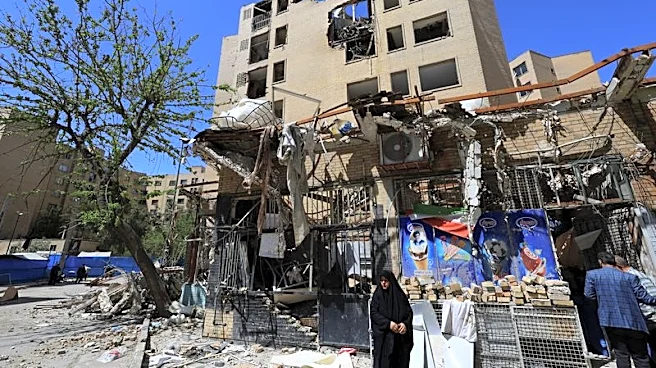
Kuwait announced that its air-defense systems intercepted missiles and drones, marking a significant challenge to the fragile ceasefire in the ongoing conflict between the U.S. and Iran. The attack comes after U.S. Central Command forces shot down Iranian
drones near the Strait of Hormuz and struck a ground control station in Bandar Abbas. Iran retaliated by targeting a U.S. base in the Gulf region. The ceasefire, which has been in place for three months, is under strain as both sides continue to engage in military actions.
Why It's Important?
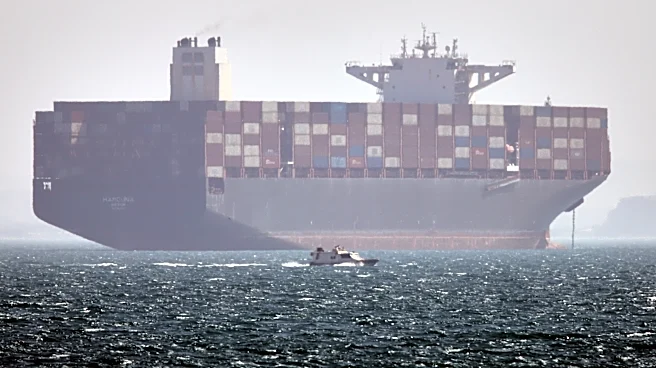
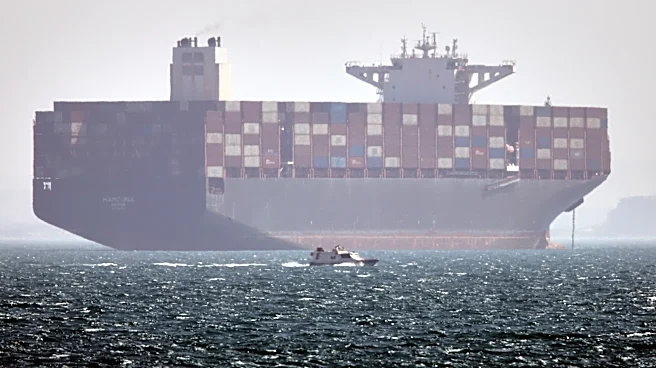
The attack on Kuwait highlights the volatility of the ceasefire and the potential for escalation in the region. Kuwait, a key U.S. ally, plays a strategic role in the Gulf, and any instability could have broader implications for regional security and global oil markets. The Strait of Hormuz, a critical chokepoint for oil transportation, remains a focal point of tension. The ongoing conflict and its impact on oil prices could affect global economic stability, making the resolution of these tensions a priority for international stakeholders.
What's Next?
The continuation of the ceasefire and the potential for renewed negotiations between the U.S. and Iran will be closely watched. The international community, including Gulf Cooperation Council member states, will likely increase diplomatic efforts to stabilize the region. The U.S. may consider additional military or economic measures to deter further aggression from Iran. The outcome of these developments will influence future U.S. foreign policy and its relations with Middle Eastern allies.