






What's Happening?
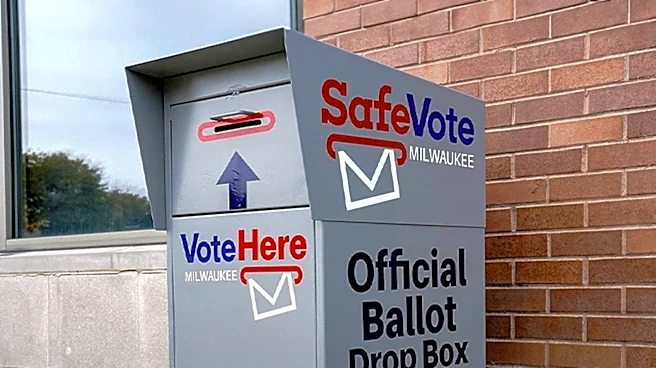
In response to a slow vote count during California's June primary election, the California Voter Foundation has recommended several reforms to expedite the process. The nonprofit group suggests shortening the ballot signature-curing timeline from 22 to 14
days and expanding voter access to electronic ballot signature curing. Additionally, they propose that the state should collect and publish comprehensive signature-curing data. The foundation also recommends prioritizing the counting of close races and improving the public reporting of unofficial results. These suggestions come after criticism of the state's delayed election results, which took about a week to determine key candidates for the gubernatorial and Los Angeles mayoral races. The slow count has been used by some, including President Trump, to cast doubt on the election's integrity.
Why It's Important?
The proposed reforms are significant as they aim to enhance the efficiency and transparency of California's election process. By addressing the delays in vote counting, the state can potentially restore public confidence in the electoral system, which has been questioned due to the slow reporting of results. The changes could also prevent the spread of misinformation and unfounded claims of election irregularities. Moreover, the recommendations highlight the balance between maintaining election security and ensuring timely results, which is crucial for the credibility of democratic processes. Implementing these reforms could set a precedent for other states facing similar challenges.
What's Next?
While some of the proposed reforms could be implemented by November, others may require more time and discussion among election stakeholders. The California Voter Foundation emphasizes the need for additional funding for local election offices to speed up ballot processing. Voters are also encouraged to participate by returning mail-in ballots earlier or voting in person to help accelerate the count. However, some recommendations, such as shortening the ballot-curing window, may not be feasible before the upcoming elections. The state will need to engage in broader discussions to ensure the successful implementation of these changes.