



What's Happening?
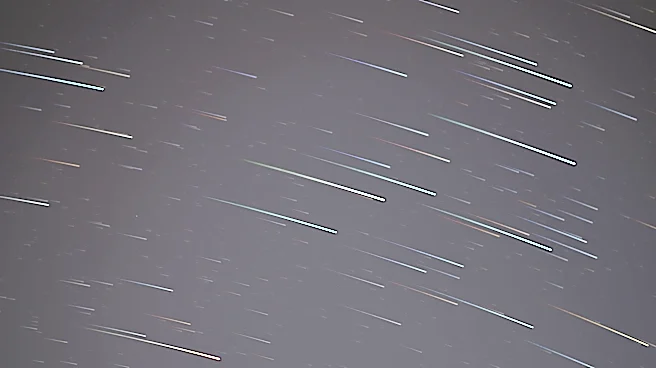
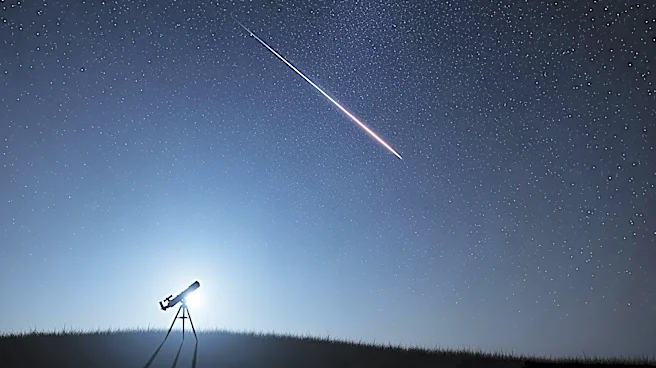
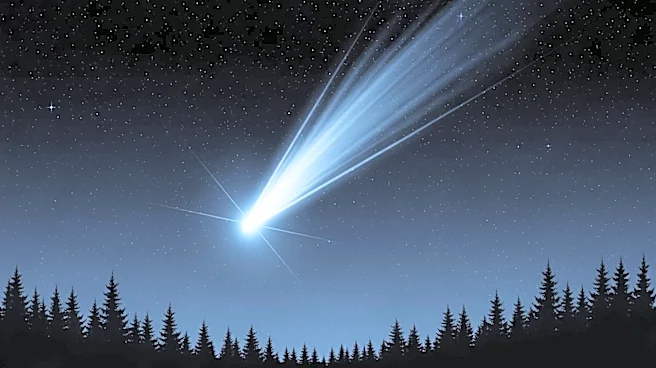
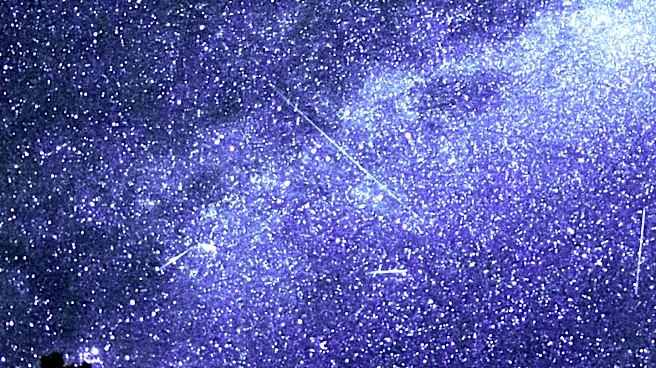
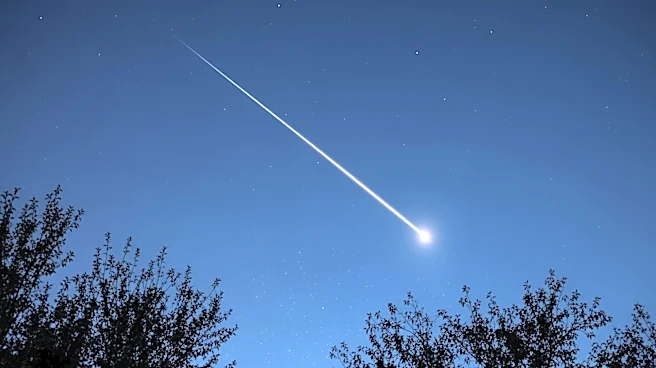
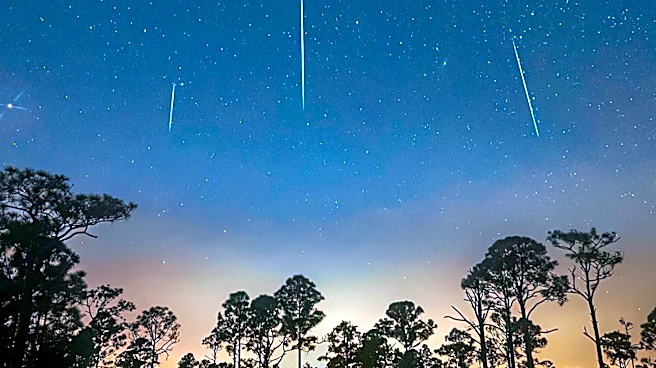
The Lyrids meteor shower, originating from Comet Thatcher, is set to dazzle the night skies starting April 14, peaking on April 21 and 22. This annual celestial event will feature approximately 15 to 20 meteors per hour, providing a spectacular show for
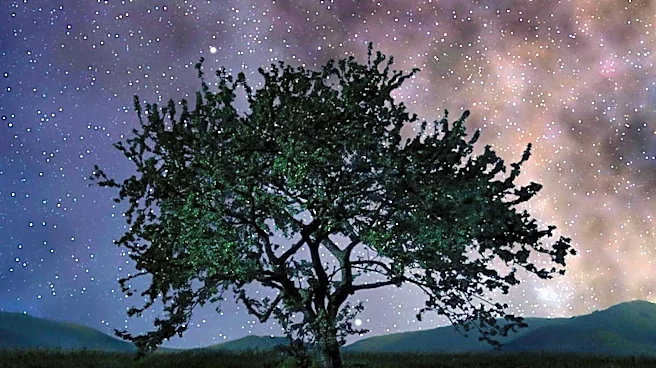
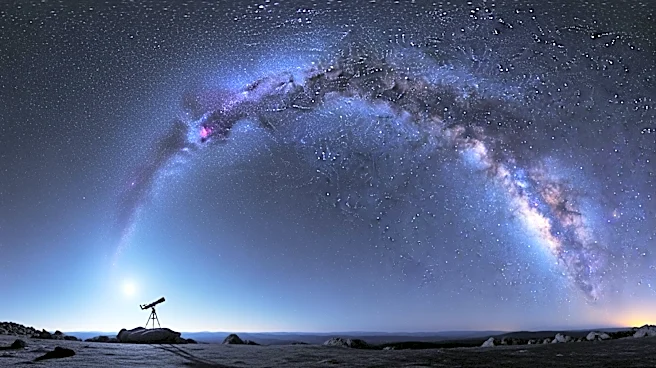
stargazers in the northern hemisphere. The Lyrids are best viewed after dark and before dawn, with the constellation Lyra serving as a reference point in the northeastern sky. The presence of a new moon on April 17 will ensure darker skies, enhancing visibility even for faint meteors. This meteor shower marks the beginning of the meteor season, offering a slow-burn experience that rewards patience and a good vantage point away from city lights.
Why It's Important?
The Lyrids meteor shower is significant as it marks the start of the meteor season, drawing attention to the wonders of the night sky and encouraging public interest in astronomy. This event provides an opportunity for educational outreach and community engagement, as people gather to witness the natural spectacle. The timing of the Lyrids, coinciding with a new moon, enhances the viewing experience, making it an ideal time for amateur astronomers and enthusiasts to observe and photograph meteors. The event also highlights the importance of preserving dark skies, free from light pollution, to fully appreciate such celestial phenomena.
What's Next?
Following the Lyrids, the next major meteor shower is the Eta Aquariids, which peaks in early May. This upcoming event is known for its faster and more energetic meteors, providing another opportunity for skywatchers to enjoy the night sky. As the meteor season progresses, interest in astronomy is likely to increase, potentially leading to more public events and educational programs focused on celestial observations. Additionally, the ongoing discussion about light pollution may gain momentum, as more people experience the benefits of dark skies during these meteor showers.