









What's Happening?
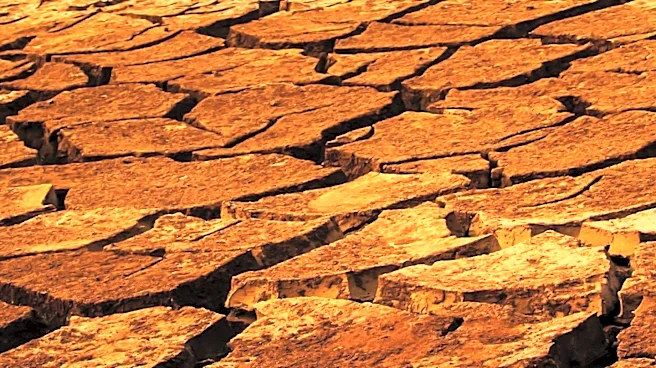
The Thar Desert in southeastern Pakistan, known for its harsh climate and recurring droughts, is witnessing a transformation through organic agriculture. Despite the challenging environment, local farmers have embraced traditional farming practices that
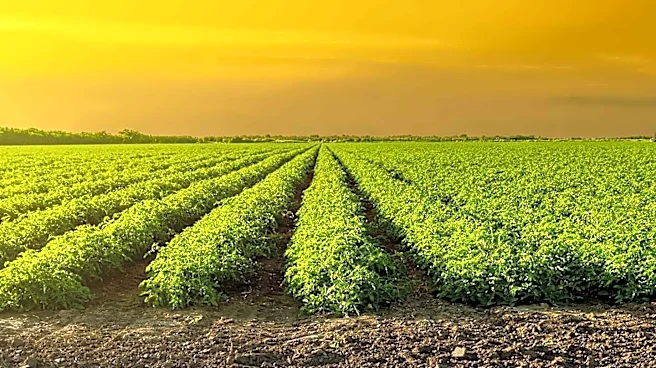
rely on organic methods due to limited access to synthetic fertilizers and pesticides. The monsoon season brings a brief period of rain, allowing for the cultivation of crops like millet, cluster beans, and mung beans, which are well-suited to the arid conditions. These crops not only provide food security but also support the local economy through livestock farming. The region's unique agricultural products, such as rainfed watermelons and wild mushrooms, further contribute to the local market. The integration of renewable energy and water-efficient technologies, such as solar-powered irrigation, is enhancing agricultural productivity without harming the environment.
Why It's Important?
The success of organic agriculture in the Thar Desert highlights the potential for sustainable farming practices in arid regions. As global demand for chemical-free food increases, Thar's organic produce could tap into premium markets, boosting local incomes and providing economic opportunities. The region's approach to agriculture, which combines traditional knowledge with modern innovations, offers a model for other areas facing similar environmental challenges. By focusing on sustainability and resilience, Thar's farmers are not only improving their livelihoods but also contributing to biodiversity conservation and climate change adaptation. This transformation underscores the importance of investing in sustainable agricultural practices that can thrive in harsh climates, offering valuable lessons for global food security.
What's Next?
To fully realize the potential of Thar's organic agriculture, further investment in research, certification, and market access is needed. Establishing processing facilities for local crops could increase value addition and create jobs, particularly for women and youth. Government and private sector support in areas such as rainwater harvesting, climate-smart agriculture, and rural infrastructure will be crucial in strengthening the region's resilience to climate change. Promoting community-based producer organizations and enhancing women's participation in agriculture could further accelerate sustainable development. As Thar continues to evolve, it serves as a beacon of hope for sustainable agriculture in arid regions worldwide.
Beyond the Headlines
The story of Thar's agricultural transformation is not just about economic gains but also about cultural and environmental stewardship. The reliance on indigenous crops and traditional farming methods reflects a deep respect for local knowledge and ecosystems. This approach fosters a harmonious relationship with nature, emphasizing conservation and sustainable resource management. As climate change poses increasing threats to agriculture globally, Thar's experience demonstrates that success can be achieved through innovation, resilience, and a commitment to environmental sustainability. The region's journey offers a powerful narrative of how communities can thrive by working in harmony with their natural surroundings.