






What's Happening?
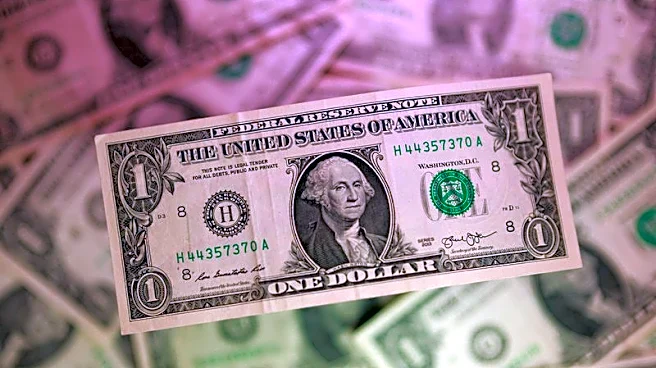
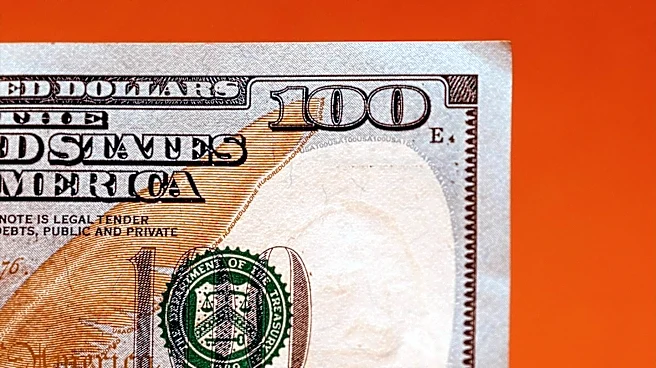
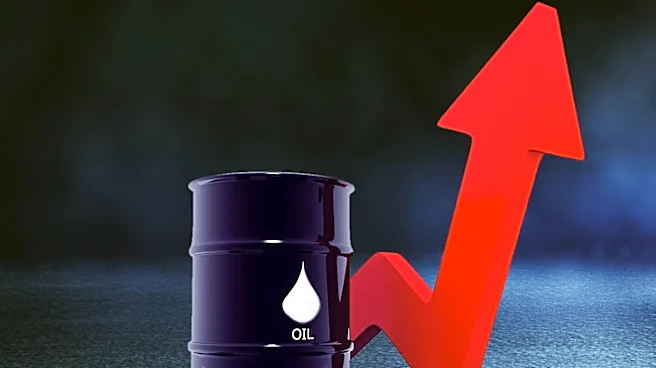
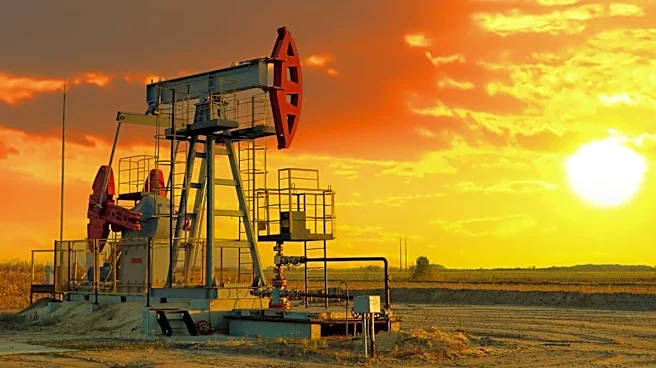
The U.S. dollar has gained strength against global currencies as the conflict between the U.S. and Iran intensifies. The escalation in the Middle East has led to a rise in oil prices, with Brent crude reaching $90 per barrel. The conflict has created
uncertainty in global markets, affecting investor confidence and currency valuations. Despite the tensions, there are signals from both Tehran and Washington indicating a willingness to resume diplomatic talks.
Why It's Important?
The strengthening of the U.S. dollar and rising oil prices have significant implications for global markets and economies. The conflict in the Middle East poses risks to energy supplies and trade routes, impacting global energy prices and economic stability. The situation highlights the interconnectedness of geopolitical events and financial markets, with potential consequences for inflation, trade balances, and economic growth. The outcome of the conflict and any diplomatic resolutions could influence future market dynamics and economic policies.
What's Next?
Diplomatic efforts may continue as both the U.S. and Iran seek to de-escalate tensions and stabilize the region. The resolution of the conflict could impact global energy markets and currency valuations. Investors and policymakers will be closely monitoring developments, with potential implications for economic strategies and market trends. The situation underscores the importance of geopolitical stability for global economic health.