




What's Happening?
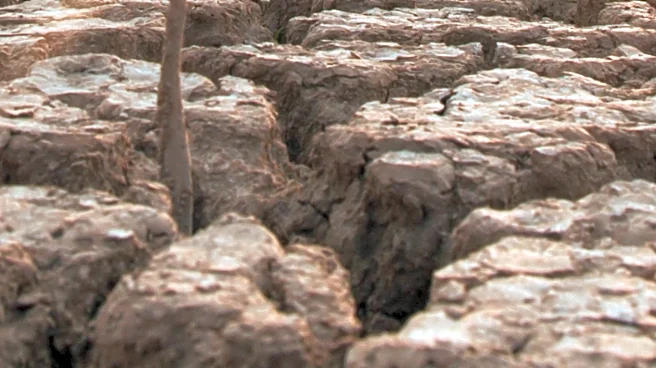
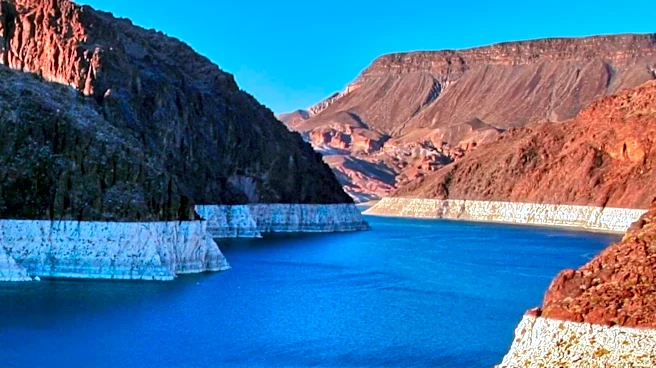
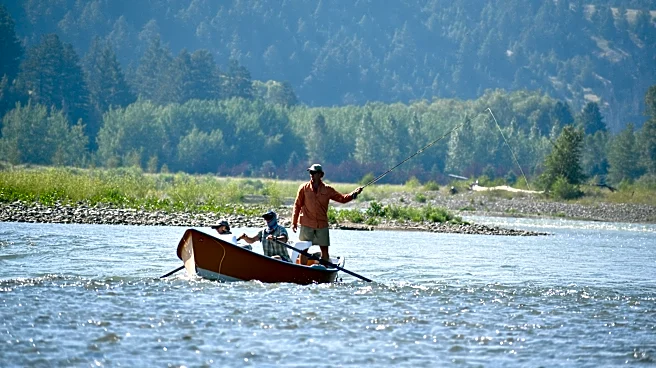
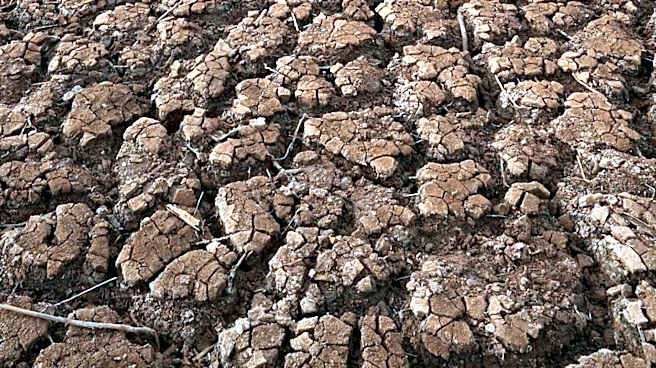
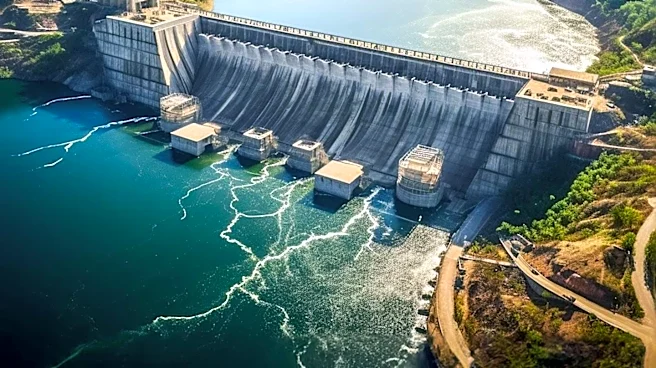
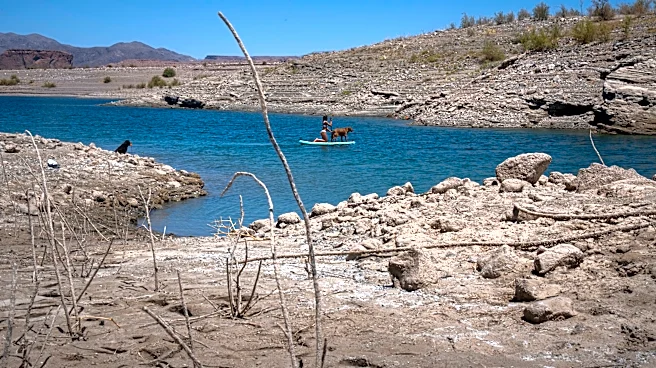
Colorado is experiencing a severe drought, leading to record-low water levels in reservoirs and streams. This has resulted in fishing restrictions and threatens power production at several dams. The drought has caused significant agricultural losses,
with many farmers forced to fallow fields due to insufficient water. The state's water managers are grappling with the challenge of managing limited water resources amid ongoing climate change impacts.
Why It's Important?
The drought in Colorado underscores the broader challenges posed by climate change, particularly in water-scarce regions. It affects multiple sectors, including agriculture, energy, and recreation, leading to economic losses and environmental stress. The situation highlights the need for sustainable water management practices and policies to adapt to changing climate conditions. It also raises concerns about the long-term viability of water-dependent industries and communities in the region.
What's Next?
Water managers and policymakers may need to implement stricter water conservation measures and explore alternative water sources to mitigate the impact of the drought. There may also be increased collaboration among water users to optimize resource allocation. The situation could prompt further research and investment in climate resilience strategies to better prepare for future droughts and other climate-related challenges.