







What's Happening?
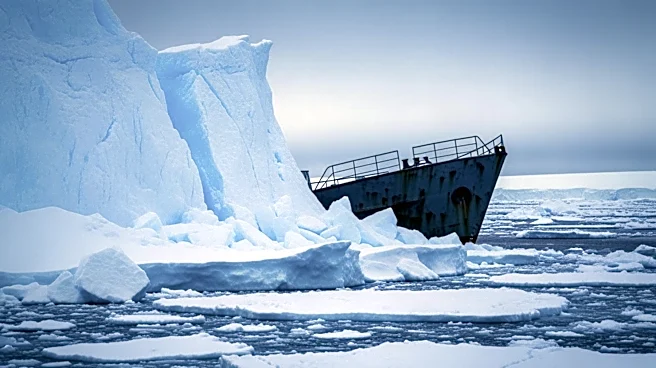
A ship operated by the Captain Paul Watson Foundation collided with a Norwegian krill trawler in Antarctic waters, leading the trawler's owner to describe the incident as a 'terrorist attack.' The collision involved the M/V Bandero, which allegedly rammed
the trawler, posing a risk to the crew and the environmentally sensitive area. The incident highlights ongoing tensions over krill fishing in the Southern Ocean, a critical habitat for various marine species. Paul Watson, the founder of the group, disputed the characterization, describing the action as a 'gentle nudge' and part of his long-standing practice of 'aggressive nonviolence.' The collision has prompted legal considerations and involvement from naval authorities in Argentina and Chile.
Why It's Important?
This incident underscores the contentious debate over krill fishing in the Antarctic, which is crucial for marine ecosystems and global climate regulation. The collision raises questions about the methods used by environmental activists and the potential risks they pose to maritime safety and international relations. The event could influence future regulatory measures and international policies regarding environmental activism and marine resource management. The legal and diplomatic responses to this incident may set precedents for how similar confrontations are handled in the future, impacting both environmental advocacy and commercial fishing operations.
What's Next?
Legal proceedings and investigations are likely to follow, with potential criminal charges against the Captain Paul Watson Foundation. The incident may prompt discussions among international bodies, such as the Commission for the Conservation of Antarctic Marine Living Resources, regarding stricter regulations and enforcement in the region. The outcome could affect the strategies of environmental groups and the operations of krill fishing companies. Stakeholders, including governments, environmental organizations, and the fishing industry, will be closely monitoring developments to assess the implications for environmental protection and maritime law.