




What's Happening?
Over 1,500 green infrastructure projects across Southeast Michigan are currently capturing 19 million gallons of stormwater each year, according to Ric Lawson, who directs programs at the Huron River Watershed Council. These projects are implemented by
the Rain Catchers Collective, a coalition representing the Clinton, Detroit, Huron, and Rouge river watersheds, serving nearly 5 million people. The collective is seeking $12.5 million in state funding to expand its residential program, establish a network of native plant suppliers, and train workers for green stormwater infrastructure projects. The Southeast Michigan Council of Governments also launched a grant program this spring, utilizing $3.2 million from the EPA, to help local entities design networks capable of reducing stormwater runoff by up to 11 million gallons annually. Additionally, the Detroit Water and Sewerage Department completed the Far West Stormwater Improvement Project, which redirects stormwater from over 210 acres into two basins in Rouge Park, expected to collect up to 119 million gallons each year.
Why It's Important?
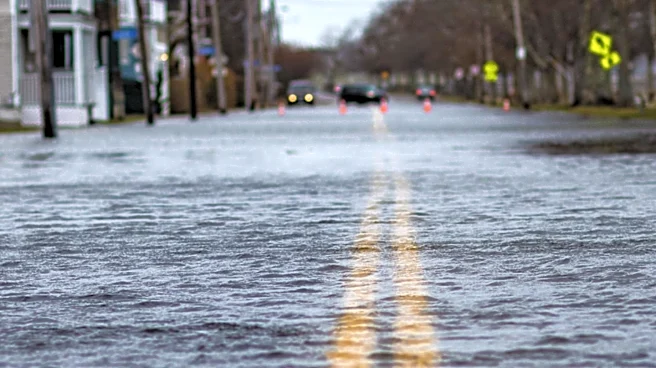
The widespread implementation of green infrastructure in Southeast Michigan is crucial for mitigating the impacts of stormwater runoff, which can lead to flooding, water pollution, and strain on existing drainage systems. By capturing millions of gallons of stormwater, these projects help protect local ecosystems, improve water quality in the Great Lakes region, and reduce the risk of property damage from flooding. The initiative to secure state funding and develop a skilled workforce highlights a growing commitment to sustainable urban development and environmental resilience. The involvement of various governmental and non-profit organizations underscores a collaborative approach to addressing environmental challenges, setting a precedent for other regions facing similar issues. The focus on residential programs and native plant suppliers also promotes community engagement and biodiversity, contributing to healthier urban environments.
What's Next?
The Rain Catchers Collective will continue its efforts to secure $12.5 million in state funding to expand its residential green infrastructure program, develop a network of native plant suppliers, and train a specialized workforce. The Clinton River Watershed Council is set to launch its 'Rain to Roots' program in Macomb County communities this fall, offering free stormwater consultations and cost-effective rain garden design and installation. The grant program initiated by the Southeast Michigan Council of Governments, backed by $3.2 million from the EPA, will continue to support local counties, towns, and schools in designing stormwater runoff reduction networks. Researchers like Glen Daigger from the University of Michigan emphasize the need for larger-scale projects, spanning 30 to 50 acres, to effectively manage stormwater from intense storms, suggesting a future shift towards more comprehensive and integrated green infrastructure solutions.
Beyond the Headlines
The push for green infrastructure in Southeast Michigan reflects a broader national trend towards nature-based solutions for urban challenges. While individual rain gardens are beneficial, the emphasis on larger, interconnected projects highlights a critical understanding that fragmented efforts may not be sufficient to address the scale of modern environmental issues. This approach not only tackles stormwater management but also fosters local economies through job creation in green industries and supports local biodiversity by promoting native plant use. The collaboration between watershed councils, government agencies, and local communities signifies a growing recognition of shared environmental responsibility and the potential for integrated solutions to yield multiple benefits, from ecological restoration to community well-being. The long-term success of these initiatives could serve as a model for sustainable urban planning across the U.S.