






What's Happening?
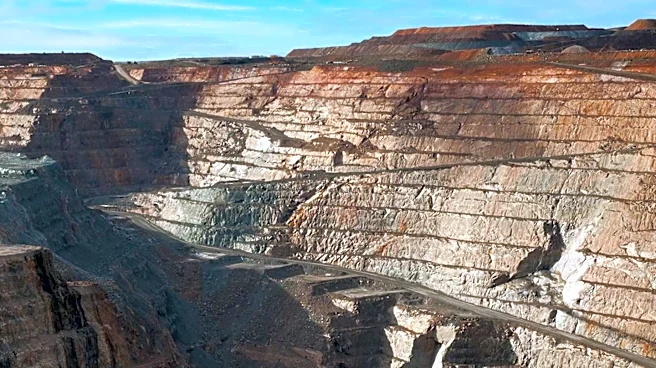
Mali is utilizing its mining revenues to fund significant infrastructure projects, aiming to transform gold into public services. Since 2025, a fund has accumulated over 109 billion CFA francs, with plans to reach 500 billion CFA francs. This initiative,
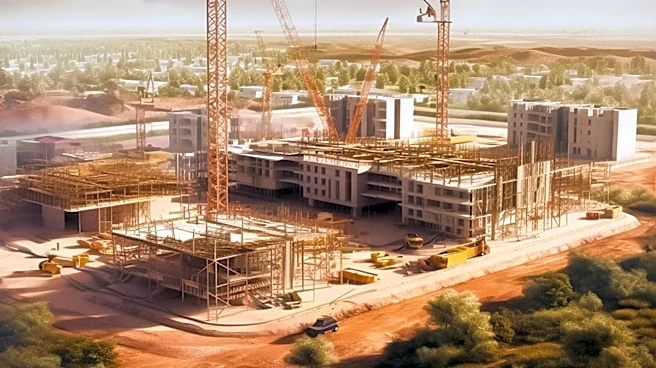
rooted in a 2023 mining law, mandates mining companies to contribute a portion of their turnover to an infrastructure fund. The government aims to use these resources for projects in energy, water, and transportation, enhancing public services and economic development.
Why It's Important?
Mali's approach to resource sovereignty could serve as a model for regional economic development. By investing in infrastructure, the country aims to improve public services and strengthen its economy. This strategy could reduce the cost of sea access for neighboring countries like Burkina Faso and Niger, fostering regional cooperation. However, the success of this initiative depends on effective fund management and transparency. Ensuring that mining revenues translate into tangible public services is crucial for gaining social legitimacy and supporting economic resilience.
Beyond the Headlines
The initiative highlights the importance of transparency and accountability in managing resource revenues. Mali's challenge is to ensure that mining profits are used effectively for public investments, avoiding financial burdens from potential declines in gold prices or production. The involvement of local communities in decision-making processes is essential for equitable income distribution and addressing environmental impacts. A focus on local content policies could further enhance economic benefits by involving domestic companies in infrastructure projects.