



What's Happening?
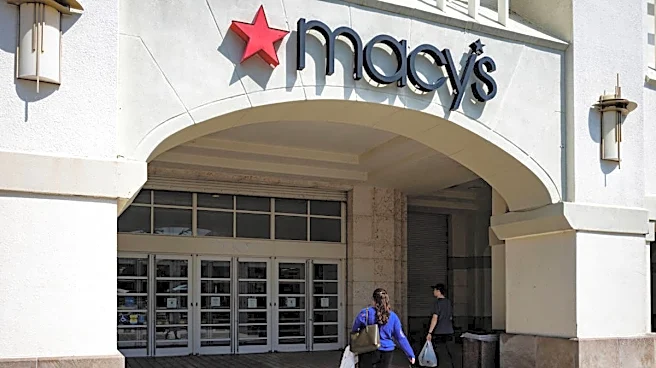
Burlington High School (BHS) and the Burlington Technical Center officially reopened with a ribbon-cutting ceremony, six years after the original campus was shut down due to PCB contamination. In 2020, students and staff were forced to relocate to a renovated
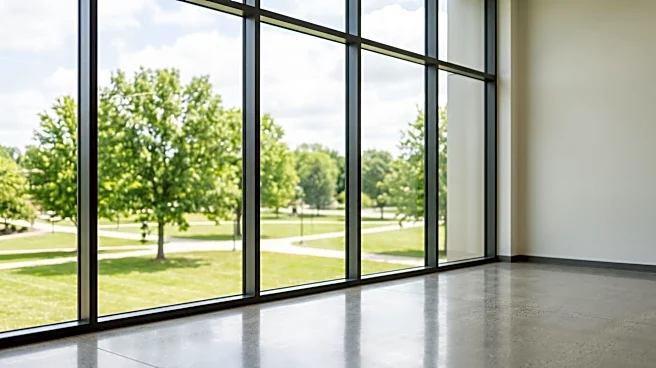
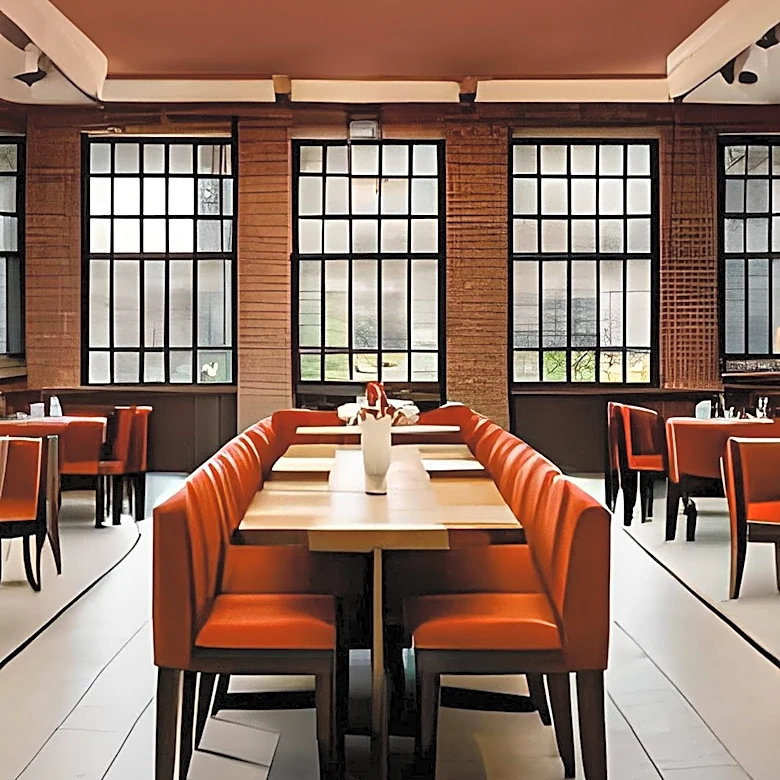
Macy's department store, which served as their temporary learning environment. Superintendent Tom Flanagan expressed gratitude for the new building and the community's support, noting that over 76% of voters approved the bond to fund the project. BHS Principal Sabrina Westdijk highlighted the resilience of students and staff during the interim period, emphasizing their ability to adapt to the temporary campus. The new school features modern amenities, including a gymnasium, an auditorium, and a pottery studio with kilns. A highly anticipated feature, according to Westdijk, is the abundance of windows, a stark contrast to the windowless Macy's location. The reopening was celebrated by hundreds of families and more than 20 community organizations, with free food provided to attendees.
Why It's Important?
The reopening of Burlington High School marks a significant milestone for the Burlington community, symbolizing resilience and a commitment to public education despite major environmental and logistical challenges. The six-year displacement due to PCB contamination underscored the critical importance of safe and healthy learning environments for students and staff. The successful completion of the new facility, supported by a strong voter mandate, demonstrates the community's investment in its educational infrastructure and the well-being of its youth. For students, returning to a purpose-built high school with modern facilities can significantly enhance their educational experience, fostering a stronger sense of school spirit and providing better resources for academic and extracurricular activities. The incident also serves as a reminder of the potential long-term impacts of environmental hazards on public institutions and the extensive resources required for remediation and rebuilding, influencing future policy decisions regarding environmental safety in public buildings.
What's Next?
Burlington High School students are scheduled to begin classes in the new building on Wednesday morning. The transition back to a traditional school environment will involve adjustments for both students and staff who have spent years in a non-traditional setting. The school administration will likely focus on integrating students into the new facilities and re-establishing a sense of normalcy and community within the purpose-built campus. The successful completion of this project may serve as a case study for other communities facing similar environmental challenges in their public infrastructure. Local officials and environmental agencies will continue to monitor the site and ensure the long-term safety of the new building. The community's strong support for the bond issue suggests a continued commitment to maintaining high-quality educational facilities in Burlington.
Beyond the Headlines
The journey of Burlington High School from a contaminated site to a new, modern facility highlights broader societal issues concerning environmental justice and the impact of industrial legacy on public health and education. The discovery of PCBs, a persistent organic pollutant, in a school building underscores the hidden dangers that can lurk in older infrastructure and the need for rigorous environmental assessments. The prolonged displacement of students and the significant financial investment required for remediation and rebuilding raise questions about accountability for environmental contamination and the mechanisms for funding such large-scale public health interventions. Furthermore, the experience of learning in a converted department store, while demonstrating adaptability, also subtly emphasizes the psychological and social importance of dedicated educational spaces, with features like natural light and traditional school amenities contributing to a holistic learning environment. This event could influence future urban planning and environmental regulations, pushing for more proactive measures to identify and mitigate environmental risks in public spaces.