



What's Happening?
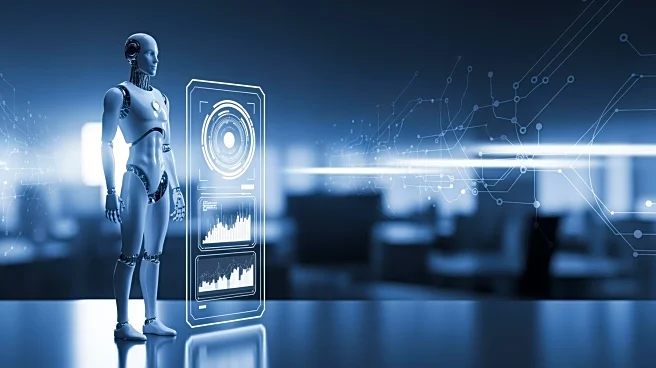
Engineers and computer scientists are advancing the development of AI-powered humanoid robots that resemble and behave like humans. Boston Dynamics, a leader in robotics, showcased its humanoid robot, Atlas, to 60 Minutes, demonstrating its capabilities
in a Hyundai factory setting. The segment explored the potential for these robots to work alongside humans in various industries, highlighting the technological advancements and challenges in creating robots that can perform complex tasks autonomously.
Why It's Important?
The integration of AI-powered humanoid robots into the workforce could revolutionize industries by enhancing productivity and efficiency. These robots have the potential to perform tasks that are dangerous or monotonous for humans, thereby improving workplace safety and job satisfaction. However, the rise of such technology also raises concerns about job displacement and the ethical implications of machines that closely mimic human behavior. The development of these robots could significantly impact labor markets, requiring new skills and potentially reshaping employment landscapes.
Beyond the Headlines
The deployment of humanoid robots in the workforce presents ethical and societal challenges, including the need for regulations to ensure safe and fair use. There are also cultural implications, as societies may need to adapt to the presence of robots in everyday life. The development of these robots could lead to long-term shifts in how humans interact with machines, potentially influencing social norms and expectations. Additionally, the technology raises questions about privacy and data security, as robots may collect and process vast amounts of information.