




What's Happening?
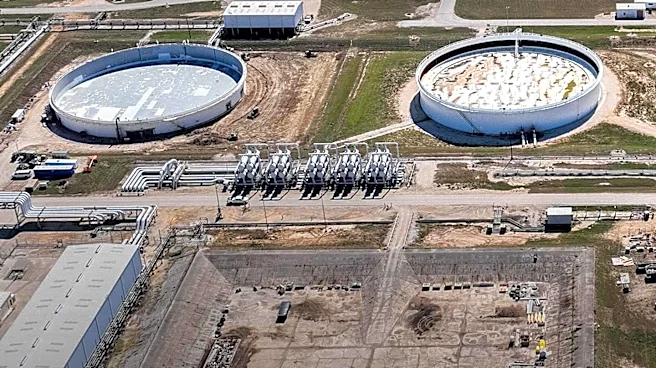
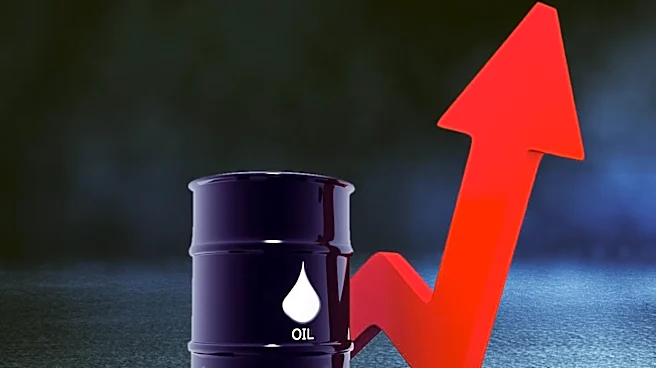
The United States is actively seeking methods to replenish its Strategic Petroleum Reserve (SPR), which has seen its levels dwindle. This effort is highlighted in an episode of Planet Money's 'The Indicator,' featuring Wailin Wong and Ilya Marritz. The SPR is considered
a critical component of the nation's energy security. The discussion centers on the complexities of refilling these reserves, particularly in the current economic climate characterized by high federal debt and rising gas prices. The need to restore the SPR's capacity is a pressing concern for policymakers and energy experts, as it plays a vital role in stabilizing oil markets and providing a buffer during supply disruptions. The challenges involve not only the financial implications of purchasing large quantities of oil but also navigating the global energy landscape to secure suitable sources, such as oil from Venezuela or other international suppliers. The episode underscores the intricate balance between national security, economic stability, and energy policy.
Why It's Important?
The Strategic Petroleum Reserve is a cornerstone of U.S. energy policy, designed to mitigate the economic impact of oil supply disruptions. Its current low levels pose a significant risk to national security and economic stability. A depleted SPR leaves the U.S. vulnerable to price shocks and supply shortages, which can have cascading effects across various sectors of the economy. For industries, particularly those reliant on transportation and manufacturing, stable and affordable energy is crucial for operational costs and competitiveness. Consumers are directly impacted by fluctuating gas prices, which can erode purchasing power and contribute to inflation. The effort to refill the SPR is therefore vital for maintaining economic resilience, ensuring energy independence, and providing a strategic tool for the government to respond to geopolitical events or natural disasters that could disrupt oil supplies. The current environment of high federal debt and climbing gas prices complicates this endeavor, making the strategic decisions around replenishment even more critical.
What's Next?
The U.S. government will likely continue to explore various strategies for refilling the Strategic Petroleum Reserve, balancing the need for energy security with fiscal responsibility. This could involve monitoring global oil prices for opportune purchasing windows, negotiating supply agreements with international producers, and potentially adjusting domestic energy policies to support replenishment efforts. Stakeholders, including energy companies, financial markets, and consumer advocacy groups, will closely watch these developments. The administration will need to navigate the political and economic pressures associated with increasing federal spending on oil purchases while simultaneously addressing concerns about inflation and the overall national debt. Future decisions may also involve evaluating the optimal size and composition of the SPR in light of evolving energy landscapes and geopolitical realities. The ongoing debate will likely focus on the most cost-effective and strategically sound approaches to restore this vital national asset.
Beyond the Headlines
The effort to refill the Strategic Petroleum Reserve extends beyond immediate economic and energy concerns, touching upon broader themes of national resilience and global energy governance. Ethically, the decision to draw down or replenish strategic reserves involves a delicate balance between short-term economic relief and long-term national security. The reliance on foreign oil sources, even for strategic reserves, highlights the interconnectedness of global energy markets and the geopolitical implications of energy policy. Culturally, the public perception of energy independence and security can influence political discourse and policy choices. The long-term shift towards renewable energy sources also adds a layer of complexity, as the role and necessity of fossil fuel reserves may evolve over time. This situation underscores the ongoing challenge for the U.S. to maintain a robust energy infrastructure while adapting to changing environmental and economic imperatives, ensuring both present stability and future sustainability.