



What's Happening?
Pakistan recently hosted the Pakistan Minerals Investment Forum 2026 (PMIF26) to attract international investment in its vast mineral resources. Deputy Prime Minister and Foreign Minister Ishaq Dar, along with Finance Minister Muhammad Aurangzeb, emphasized
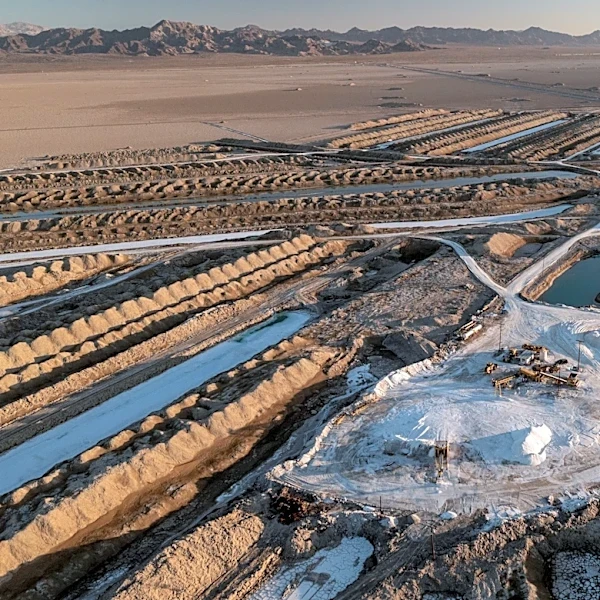
the government's commitment to creating a predictable and investor-friendly environment through institutional facilitation and policy reforms. The forum, which drew delegations from 60 countries and over 5,000 attendees, showcased Pakistan's mineral wealth, including copper, gold, iron ore, chromite, lead, zinc, coal, rock salt, marble, gypsum, and gemstones. The government has declared mineral development a strategic national economic priority, aiming to diversify exports, strengthen its industrial base, and mobilize both domestic and foreign investment. Provincial leaders also presented their mineral resources and offered incentives to prospective investors.
Why It's Important?
Pakistan's push to attract global investment in its mineral sector holds significant implications for the U.S. and the broader international community. A diversified global supply of critical minerals is crucial for the U.S. economy, particularly for industries involved in clean energy, electric vehicles, battery storage, and advanced technologies. By developing its mineral resources, Pakistan could contribute to reducing global supply chain vulnerabilities and lessen reliance on a few dominant suppliers, which aligns with U.S. strategic interests in securing critical mineral access. Furthermore, increased foreign investment in Pakistan's mining sector could lead to economic stability and growth in the region, potentially mitigating geopolitical tensions and fostering a more secure international environment. The emphasis on responsible development and environmental standards also resonates with global efforts towards sustainable resource management, which is a key concern for U.S. policy makers and environmental groups.
What's Next?
Following the Pakistan Minerals Investment Forum 2026, the government plans to continue its efforts to implement predictable policies and institutional support to attract mining investment. The launch of the National Mineral Data Centre, GSP Geoportal, and Agreement Exchange is expected to strengthen institutional capacity and improve access to geological information for investors. Provincial governments will play a greater role in ensuring that mineral development generates local employment, skills, and infrastructure, while maintaining environmental standards. The Reko Diq copper-gold project in Balochistan is cited as an example of ongoing collaboration, moving towards practical completion and operational phases. Future steps will likely involve continued engagement with international financial institutions and the global mining industry to secure partnerships and investments, with a focus on moving beyond raw material exports to value-added growth.
Beyond the Headlines
Pakistan's initiative to develop its mineral sector reflects a broader global trend where nations are increasingly recognizing the strategic value of their natural resources in the context of evolving geopolitical landscapes and the demand for critical minerals. The forum's emphasis on security and investor protection, as highlighted by Army Chief Field Marshal Syed Asim Munir, underscores the challenges and complexities of operating in resource-rich regions, particularly those with historical instability. This move could also signify a shift in Pakistan's economic strategy, aiming to leverage its natural endowments for long-term sustainable growth rather than relying solely on traditional sectors. The success of this endeavor will depend not only on attracting foreign capital but also on ensuring transparent governance, equitable distribution of benefits to local communities, and adherence to international environmental and labor standards, which are critical for sustained international partnerships and investment.