






What's Happening?
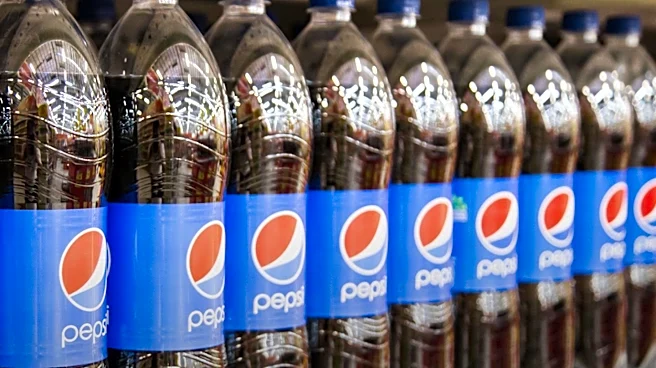
The PepsiCo Foundation, in collaboration with Frito-Lay Variety Packs and Kroger, has launched an initiative to address summer hunger among children in the U.S. This program aims to provide meal packages to families in need, particularly during the summer months
when public schools are closed and 30 million children are at risk of hunger. The PepsiCo Foundation contributed a $350,000 donation, which enabled Kroger divisions to independently organize local meal-packing events or directly distribute meal kits. These efforts directly benefited the Boys and Girls Club of America and other local partners. Volunteers in cities including Dallas, Louisville, Nashville, Memphis, Wichita, Houston, Las Vegas, and Cincinnati packed 62,000 meals. Additionally, direct donations in 15 cities nationwide resulted in the delivery of over 261,800 meals.
Why It's Important?
This initiative is important because it directly addresses a significant public health and social issue in the United States: childhood hunger during the summer. The closure of public schools removes a critical source of nutrition for millions of children who rely on school meal programs. The collaboration between a major corporation like PepsiCo, its brand Frito-Lay, and a large retailer like Kroger demonstrates a multi-sector approach to tackling food insecurity. By leveraging their resources and distribution networks, these organizations can reach a substantial number of affected families. The involvement of volunteers and local partners like the Boys and Girls Club of America also highlights the community-wide effort required to mitigate the impact of summer hunger, which can have long-term consequences on children's health, development, and academic performance.
What's Next?
The success of this program suggests a potential model for future collaborations between corporations and non-profit organizations to address food insecurity. Continued efforts will likely focus on sustaining and expanding these initiatives to reach more children and families across the U.S. As awareness of summer hunger grows, there may be increased pressure on other corporations and government entities to implement similar programs or provide additional funding. The ongoing engagement of volunteers and community partners will be crucial for the logistical execution and local impact of such initiatives. Future campaigns might also explore innovative ways to distribute meals and educate families about available resources to ensure consistent access to nutritious food throughout the summer.
Beyond the Headlines
Beyond the immediate provision of meals, this initiative underscores the broader societal challenge of food access and equity in the U.S. The fact that 30 million children are at risk of hunger when schools close points to systemic issues related to poverty and economic disparities. While corporate and philanthropic efforts are vital, they also highlight the need for comprehensive public policy solutions to ensure that all children have consistent access to nutritious food, regardless of their family's economic status or the time of year. This program also serves as a reminder of the critical role that schools play in the social safety net, extending beyond education to include essential services like meal provision. Addressing summer hunger effectively requires a sustained, multi-faceted approach that combines immediate relief with long-term strategies for economic stability and food security.