





What's Happening?
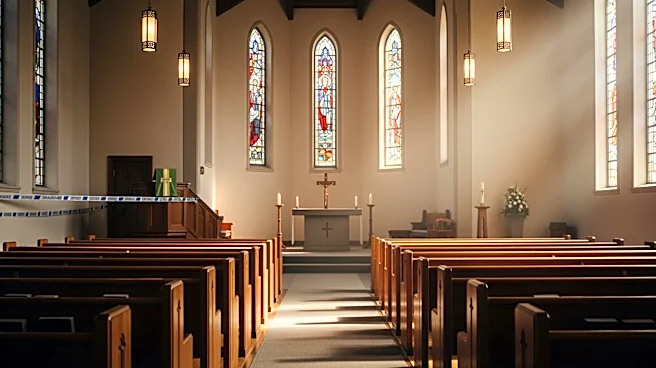
In response to a protest at a Minnesota church, at least four states have enacted laws making it a crime to disrupt worship services. These laws, primarily sponsored by Republican lawmakers, aim to provide additional protection to religious gatherings
beyond existing trespassing laws. The legislation has been adopted in Idaho, Louisiana, Oklahoma, and Kansas, with similar bills introduced in other states and Congress. The laws increase penalties for disruptions, potentially leading to up to a year in prison and fines up to $10,000 for first offenses. Critics argue these laws infringe on free speech rights, while proponents claim they are necessary to prevent violence and harassment in places of worship.
Why It's Important?
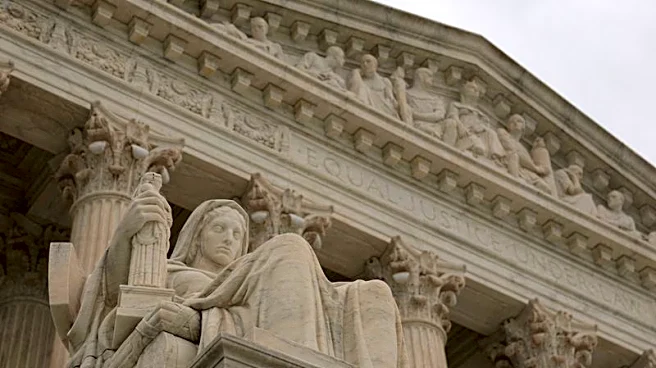
The enactment of these laws highlights a growing concern over the safety of religious gatherings in the U.S., especially in light of recent mass shootings and violence targeting religious groups. By criminalizing disruptions, these laws aim to deter potential threats and ensure the safety of congregants. However, the legislation also raises significant First Amendment concerns, as critics argue it could suppress free speech and protest rights. The balance between ensuring safety and protecting constitutional rights is a contentious issue, with potential legal challenges likely to arise.
What's Next?
As these laws take effect, legal challenges are anticipated, particularly from civil liberties groups concerned about free speech implications. The outcome of these challenges could set important precedents for how states can regulate protests and disruptions in religious settings. Additionally, the laws may influence future legislative efforts in other states, as lawmakers seek to address safety concerns while navigating constitutional protections.