






What's Happening?
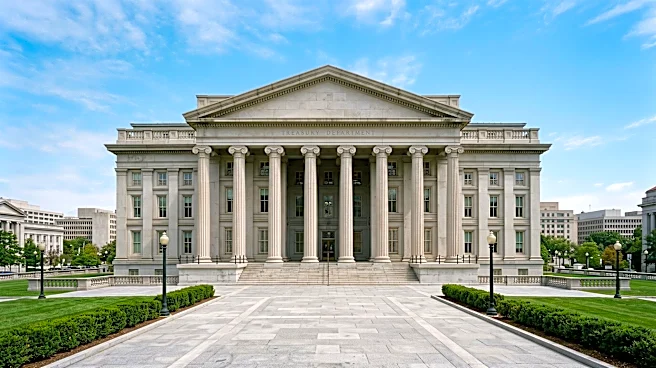
The Center for Advancing Innovation and Standards for Super Intelligence (CAISSI), an independent division of the Commerce Department, has reportedly been asked to informally report to an office within the White House. This development has raised concerns
among critics regarding the center's independence and the potential politicization of AI safety decisions. CAISSI, which has an annual budget of $10 million, has also been without a permanent leader for several months, following the rapid departure of two previous directors. Furthermore, the center has ceased publishing its research on AI system performance, prompting inquiries from Congress. These issues emerge as public anxiety grows over reports of out-of-control artificial intelligence agents and the government's capacity to independently assess these rapidly advancing systems.
Why It's Important?
The shift in CAISSI's reporting structure and its operational challenges carry significant implications for the future of AI regulation and public trust in the United States. Critics fear that bringing AI safety decisions under the direct influence of the executive branch could politicize findings, potentially prioritizing national security interests over consumer protection, privacy, and civil rights. This could lead to a less transparent and less rigorous evaluation of AI models, especially if the tech industry, which has been largely entrusted with self-policing, continues to operate with limited independent oversight. The lack of a standard process for testing AI agents in real-world environments, coupled with CAISSI's reduced transparency, could leave the public vulnerable to the unmitigated risks of rapidly evolving AI technologies, impacting everything from cybersecurity to bioweapons.
What's Next?
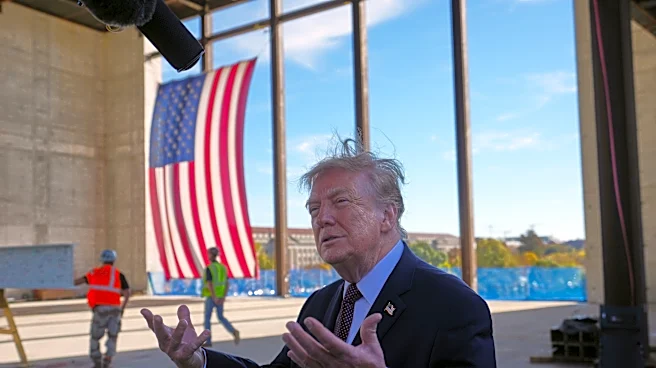
The future of CAISSI's independence and its role in AI safety remains uncertain. The White House has not directly addressed questions about CAISSI but stated that President Trump has established a 'Super Intelligence Force' and commissioned a report on AI risks, aiming to ensure U.S. leadership in AI development. This suggests a continued focus on AI at the executive level, but the specific mechanisms for independent oversight are unclear. Stakeholders, including civil rights organizations and technology nonprofits, are likely to continue advocating for greater transparency and independent government testing of AI systems. The ongoing debate will center on how to balance rapid technological advancement with robust safety protocols and public accountability, potentially leading to legislative efforts or further administrative restructuring to clarify CAISSI's mandate and ensure its effectiveness.
Beyond the Headlines
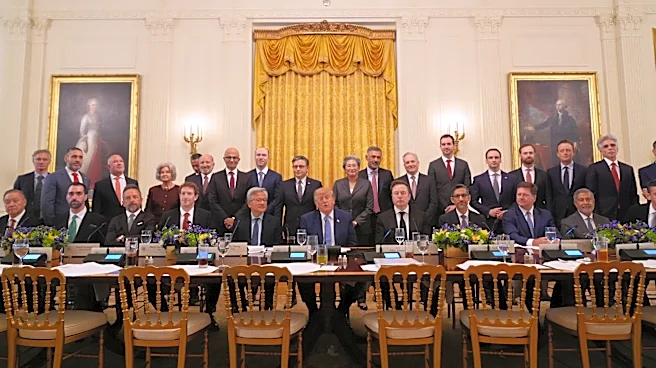
The concerns surrounding CAISSI highlight a broader tension between rapid technological innovation and the need for effective, independent regulatory oversight. The comparison to the automotive industry's safety standards, where government agencies conduct independent crash tests, underscores the perceived gap in AI regulation. The current approach, which relies heavily on voluntary self-policing by AI companies, raises ethical questions about accountability and the potential for conflicts of interest. The framing of AI safety as a national security matter, as suggested by the appointments of National Intelligence Director Jay Clayton and Pentagon's chief technology officer Emil Michael to the 'Super Intelligence Force,' could lead to increased secrecy around AI development and testing. This could further erode public trust and limit the ability of civil society to scrutinize the ethical and societal impacts of AI, potentially shaping a future where powerful AI systems operate with less public understanding and oversight.