
What's Happening?
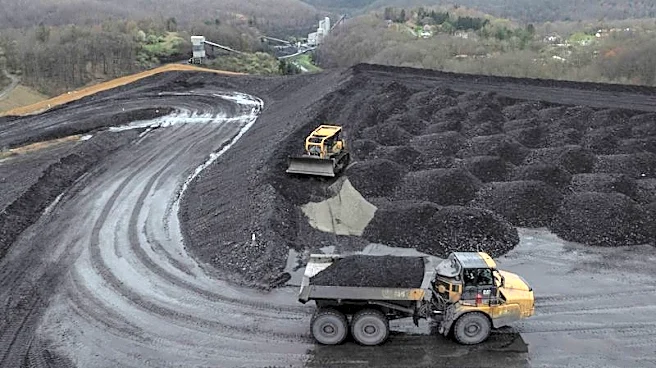
President Trump is set to announce a $700 million initiative to support the struggling U.S. coal industry. This funding will be used to sustain 13 existing coal plants across 10 states and to construct
two new coal plants in Alaska and West Virginia, marking the first new coal plants in the U.S. since 2013. The initiative also includes restarting a coal-fired power plant in Maryland and supporting the construction of a coal export terminal in Oakland, California. The administration is invoking a Cold War-era national defense law to justify this support, aiming to create or sustain over 14,000 jobs in coal, construction, rail, and maritime industries.
Why It's Important?
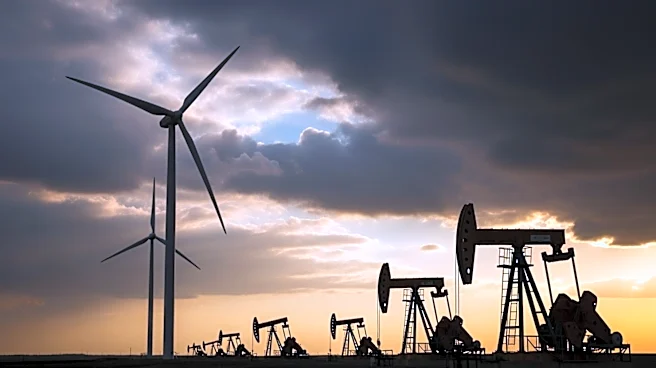
This move is significant as it represents a continued effort by the Trump administration to revive the coal industry, which has been in decline due to environmental regulations and competition from cheaper natural gas and renewable energy sources. The decision to use taxpayer money to support coal has drawn criticism from environmental groups, who argue that it prioritizes polluters over public health and environmental sustainability. The initiative could lead to higher electricity bills and increased air pollution, impacting public health and the environment. However, supporters argue that coal provides a stable energy source that can help meet rising power demands.
What's Next?
The announcement is expected to face opposition from environmental groups and possibly legal challenges. The administration's use of the Defense Production Act to support coal may be scrutinized, and there could be debates over the economic and environmental implications of this decision. The coal industry may see a temporary boost, but long-term viability remains uncertain amid global shifts towards cleaner energy sources.
Beyond the Headlines
The broader implications of this initiative include potential shifts in U.S. energy policy and its impact on international climate commitments. The decision to support coal could affect the U.S.'s standing in global environmental discussions and its ability to meet climate goals. Additionally, the focus on coal may hinder the growth of renewable energy industries, which are increasingly seen as the future of energy production.